


What foods should people with high uric acid avoid?
May 18, 2022
Source: Cainiu Health

Dr. Liu Aihua
Introduction
Individuals with hyperuricemia should control their caloric intake and avoid foods high in purines, such as animal offal, black beans, and broad beans. During acute gout attacks, patients must avoid consuming animal liver, beef, mutton, and other high-purine foods. It is essential to actively adjust dietary composition—increasing intake of vegetables, fruits, and whole grains—to enhance cellular antioxidant capacity and delay tissue aging.
Elevated uric acid levels pose a serious health risk, as hyperuricemia can lead to multiple complications. In daily life, incorporating uric acid–lowering foods into one’s diet can help safeguard overall health. So, which foods should individuals with high uric acid avoid?
Foods to Avoid for Individuals with High Uric Acid
Individuals with elevated uric acid should control their caloric intake and strictly limit consumption of purine-rich foods—such as organ meats (e.g., liver), black beans, and broad beans. During acute gout flares, patients must avoid organ meats, beef, and lamb. Dietary patterns should be actively adjusted: increase intake of vegetables, fruits, and whole grains to enhance cellular antioxidant capacity and slow tissue aging. Plant-based proteins should replace animal proteins; soy products, peanuts, and almonds are excellent choices. Incorporating nuts into staple foods helps ensure adequate vitamin E intake, thereby supporting metabolic balance. Drinking ample warm water is also recommended to repeatedly flush the urinary tract and dilute urinary uric acid concentration.
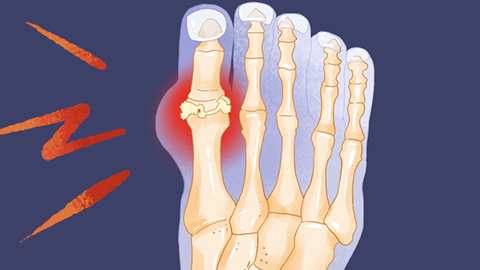
Patients with hyperuricemia should also avoid foods high in fructose—such as oranges, tangerines, and apples—because rapid, large-scale fructose intake can cause a sharp rise in serum uric acid levels, adversely affecting health. Instead, tomatoes, cucumbers, and cherries are safer options. Increasing dietary fiber intake—found in foods like pumpkin, Chinese yam, and celery—can slow intestinal absorption of sugar molecules, thereby mitigating postprandial glucose and uric acid spikes.

Individuals with high uric acid should avoid spinach, which contains abundant oxalic acid. Excess oxalic acid competes with uric acid for renal excretion, disrupting acid-base balance and potentially prolonging disease duration. Dairy products and eggs contain only trace amounts of purines; however, individuals with lactose intolerance should avoid them. We hope this article has been helpful. Wishing you a joyful life and optimal health!



