


How to Treat Liver Cancer
May 19, 2022
Source: Cainiu Health
Dr. Jin Zhongkui
Introduction
Radical treatment refers to the complete clinical eradication of hepatocellular carcinoma (HCC) tumors, primarily achieved through hepatectomy, liver transplantation, or radiofrequency ablation. In certain special anatomical locations, three-dimensional conformal radiotherapy may achieve partial radical efficacy. Non-radical treatment does not meet the criteria for radical therapy and includes interventional therapy, radiotherapy, molecular targeted therapy, immunotherapy, and traditional Chinese medicine (TCM) therapy.
Cancer is one of the diseases posing a serious threat to human health. In recent years, as life stress continues to increase, the incidence of cancer has also risen steadily. Liver cancer is a type of cancer—so how is it treated?
How Is Liver Cancer Treated?
Liver cancer treatment is broadly categorized into curative and non-curative approaches. Curative treatment aims for complete eradication of the tumor and primarily includes surgical resection, liver transplantation, and radiofrequency ablation. For tumors located in certain specific anatomical sites, three-dimensional conformal radiotherapy may achieve partial curative effects. Non-curative treatments—those that do not meet curative criteria—include interventional therapy, radiation therapy, molecular targeted therapy, immunotherapy, and traditional Chinese medicine (TCM) therapy. The choice of treatment strategy depends comprehensively on multiple factors, including whether the patient has underlying cirrhosis, the status of liver function, and characteristics of the tumor such as size, number, and vascular invasion.
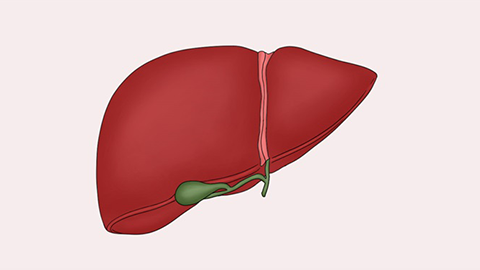
Pathogenesis of liver cancer: 1. Viral hepatitis (e.g., hepatitis B and C): Chronic hepatitis can progress sequentially to cirrhosis and ultimately to hepatocellular carcinoma—the so-called “hepatitis–cirrhosis–cancer” triad. 2. Alcohol consumption: Although alcohol itself is not a direct cause of liver cancer, it acts as a catalyst, promoting both the development and progression of the disease. Long-term heavy alcohol use significantly increases the risk of developing liver cancer. 3. Dietary factors: Lifestyle and dietary habits are closely linked to liver cancer development. Prolonged exposure to mold-contaminated foods, nitrosamine-rich foods, and dietary deficiency of trace elements—particularly selenium—are important contributing factors.
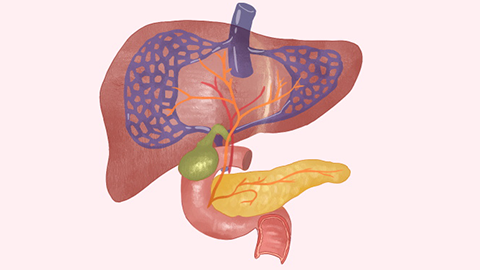
It is essential to prioritize daily health maintenance by avoiding unhealthy lifestyle and dietary habits. If symptoms suggestive of liver cancer appear, prompt diagnosis and timely treatment are critical. We hope this information proves helpful to you!





