


Normal Resting Heart Rate Range
May 22, 2022
Source: Cainiu Health

Dr. Li Man
Introduction
Resting heart rate is generally within the normal range. A normal adult heart rate is 60–100 beats per minute (bpm). Specifically, the lower limit is 60 bpm, and the upper limit is under 100 bpm. Post-exercise heart rate depends on the type and intensity of the activity performed. Resting heart rate itself is influenced by an individual’s habitual physical activity level and overall fitness.
Resting heart rate refers to the number of heartbeats per minute while a person is at rest—calm, relaxed, and not engaged in physical activity.
Normal Resting Heart Rate Range
A resting heart rate within a certain range is considered normal. In healthy adults, the typical resting heart rate ranges from 60 to 100 beats per minute (bpm). Thus, the lower limit is generally considered to be ≥60 bpm, and the upper limit <100 bpm. Although “resting” implies a state of physical inactivity, heart rate naturally increases during and after physical exertion—the degree of elevation depends on the type and intensity of the activity performed. Consequently, an individual’s habitual level of physical activity significantly influences their resting heart rate.
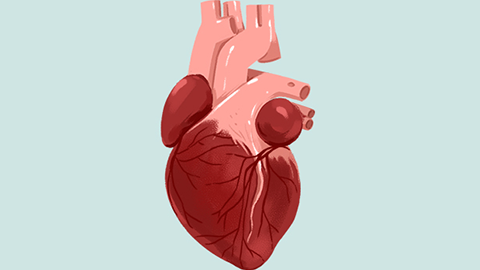
In clinical practice, it is widely accepted that a resting heart rate of ≥50 bpm is usually sufficient to maintain adequate blood perfusion to vital organs. Therefore, a heart rate of 54 bpm or higher is generally not concerning. However, heart rate alone is not the sole determinant of cardiac health—rhythm regularity is equally critical. For instance, in atrial fibrillation, the ventricular rate may fall within the “normal” range of 60–100 bpm, yet the rhythm is highly irregular. Patients with such arrhythmias often experience palpitations, discomfort, or anxiety.

Additionally, even within the normal heart rate range, premature contractions (e.g., premature atrial or ventricular contractions) may occur. These can cause subjective symptoms—such as palpitations, mild coughing, or a sensation of “skipped beats”—despite a normal overall heart rate. Some patients report symptom relief with deep breathing or relaxation. Hence, clinical evaluation should focus not only on heart rate frequency but also on rhythm characteristics: Is the rhythm regular? Are there premature beats or other arrhythmias? We hope this information is helpful!







