


How to Treat Scars from Burns and Scalds
May 25, 2022
Source: Cainiu Health

Dr. Liu Wan
Introduction
If you have just sustained a burn, immediately rinse the affected area with cool water. This helps remove residual heat, minimize further tissue damage, and effectively relieve pain. Rinse for up to 20 minutes. After rinsing, simply apply a burn ointment. Later, once blisters form, manage them according to their size: small blisters generally require no special treatment—just continue applying the burn ointment as scheduled.
In daily life, some individuals may accidentally suffer burns or scalds, which—especially in severe cases—can result in scarring. How, then, are burn- and scald-related scars treated?
How Are Burn- and Scald-Related Scars Treated?
First, physical therapy: applying localized pressure to the scar using elastic compression garments (e.g., pressure sleeves or bandages) can help suppress excessive scar elevation above surrounding normal skin. Alternatively, targeted manual massage of the affected area may produce similar effects. Second, anti-scar pharmacotherapy: clinically, silicone-based dressings or topical corticosteroids—and other scar-softening agents—are currently the mainstays of treatment. Third, laser therapy: for narrow, linear scars, staged laser treatments may be selected. Fourth, intralesional corticosteroid injections may be administered directly into the scar tissue. Fifth, surgical intervention: particularly for scars located over joints that impair joint function, direct excision or surgical release can significantly restore functional mobility.
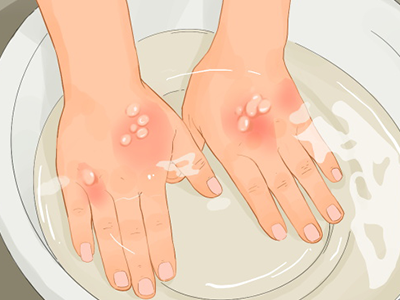
If you have just sustained a scald injury, immediately rinse the affected area with cool (not ice-cold) water. This helps dissipate residual heat, minimizes further tissue damage, and effectively alleviates pain. Continue rinsing for approximately 20 minutes. Afterward, simply apply a topical burn ointment. Subsequently, if blisters develop, manage them according to their size: small blisters generally require no special intervention—continue applying the burn ointment as directed. For larger blisters, sterile drainage (lancing) followed by application of the ointment is recommended.
We encourage everyone to exercise heightened caution in daily activities to prevent bodily injury. We hope this information proves helpful. Wishing you optimal health and happiness!




