


What Causes Attention Deficit Hyperactivity Disorder (ADHD) in Children?
May 25, 2022
Source: Cainiu Health

Dr. Xie Zixing
Introduction
Attention Deficit Hyperactivity Disorder (ADHD) in children generally refers to a syndrome characterized by essentially normal intellectual functioning, yet accompanied by inattention, excessive motor activity regardless of context, emotional impulsivity, cognitive impairments, and academic difficulties. This disorder is considered a multifactorial syndrome resulting from the combined effects of various biological, psychological, and environmental factors. A strong genetic predisposition exists: if either parent has ADHD or exhibits ADHD-related behaviors, the child is at significantly increased risk of developing the disorder.
Attention Deficit Hyperactivity Disorder (ADHD) in children is a very common condition encountered in daily life. Children with ADHD require the same care and management as typically developing children—except that their hyperactive behaviors occur indiscriminately, regardless of context or setting. So, what causes childhood ADHD?
What Causes Childhood ADHD?
Childhood ADHD generally refers to a syndrome characterized by essentially normal intellectual development, yet accompanied by inattention, excessive motor activity occurring irrespective of context, emotional impulsivity, and often associated with cognitive impairments and learning difficulties. This disorder is believed to result from the combined effects of multiple factors, specifically as follows:
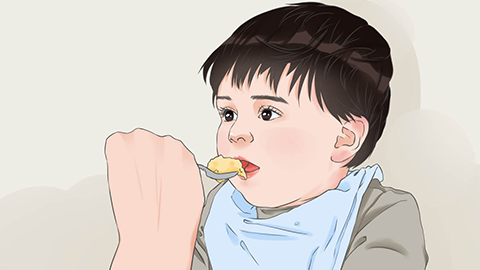
Genetic factors: Research indicates that if one or both parents have a history of ADHD or related behavioral disorders, their children exhibit a significantly increased genetic predisposition to ADHD.

Environmental factors: Mild brain injury resulting from various environmental influences may also contribute to ADHD. Additionally, severe family discord, poor socioeconomic conditions, parental criminal behavior, or parental psychiatric disorders can all serve as risk factors for the development of ADHD in children. Food additives—such as artificial food colorings—have been linked to increased hyperactivity, impulsivity, and learning difficulties in children.
Children with allergic constitutions are also more susceptible to developing ADHD. Treatment for ADHD primarily involves both pharmacological and non-pharmacological approaches. Non-pharmacological interventions mainly consist of various behavioral and cognitive training programs designed to help children achieve age-appropriate functional standards. However, when ADHD symptoms are severe and significantly impair academic performance, pharmacological treatment becomes necessary. We hope this information proves helpful to you.





