What should I do if gout pain persists and does not improve?
May 25, 2022
Source: Cainiu Health

Dr. Liu Aihua
Introduction
If gout persists without improvement, prompt evaluation and management by a rheumatology and immunology specialist at a reputable hospital are essential to develop an individualized treatment plan for active disease control. During the acute phase, rest is crucial; elevate the affected limb, and apply local cooling to help reduce synovial fluid exudation and alleviate inflammatory joint pain. Gradual resumption of activity is generally recommended until bed rest adequately relieves joint pain. Concurrently, pharmacologic therapy should be administered under the guidance of a physician.
Gout is a rheumatic disease characterized by marked joint swelling, pain, and other discomforts during acute flares, posing significant risks to human health. What should one do if gout pain persists and fails to resolve?
What to Do If Gout Pain Persists
If gout symptoms persist, prompt consultation with a rheumatology and immunology specialist at a reputable hospital is essential to establish an individualized treatment plan and actively control the condition. During the acute phase, rest is crucial; elevate the affected limb and apply local cooling to help reduce synovial fluid exudation and alleviate inflammatory joint pain. Gradual resumption of activity is generally recommended until bed rest adequately relieves joint pain. Pharmacological therapy should be combined with these measures. Commonly used medications include colchicine, nonsteroidal anti-inflammatory drugs (NSAIDs), glucocorticoids, and newer agents approved for treating acute gouty arthritis. Always follow your physician’s guidance when taking medications.
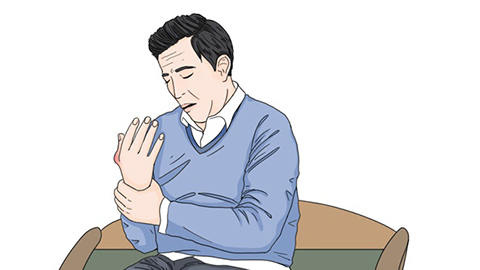
Gout is a metabolic disorder resulting from abnormal purine metabolism. When individuals consume purine-rich foods, their bodies cannot adequately metabolize them, leading to elevated serum uric acid levels. Hyperuricemia is defined as a fasting serum uric acid concentration exceeding 420 µmol/L.
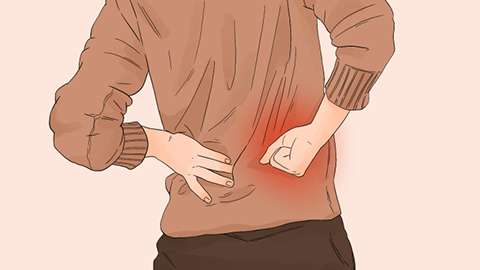
Individuals with gout should maintain adequate hydration—drinking 2,500–3,000 mL of water daily—to promote uric acid excretion. Dietary modifications are critical: avoid high-purine foods such as rich meat broths (e.g., bone soup) and organ meats (e.g., pork liver). Refrain from binge eating, alcohol consumption, smoking, and sugary carbonated beverages (e.g., cola or Sprite). Protect joints from cold exposure, trauma, and infection. We hope this information proves helpful. Wishing you good health and a joyful life!