


What Are the Dietary Therapies for Gastric Ulcers?
May 29, 2022
Source: Cainiu Health

Dr. Zhao Haiming
Introduction
Dietary Management for Gastric Ulcers
1. Maintain regular meal times; opt for smaller, more frequent meals—eat less per meal to avoid overeating, and increase the number of meals throughout the day.
2. Focus on soft or liquid foods, such as millet porridge, steamed buns (made with leavened dough), sponge cakes, and sliced bread.
3. Avoid greasy, spicy, and hard-to-digest foods whenever possible.
Gastric ulcers occur when the gastric mucosa is damaged by self-digestion from gastric acid and pepsin under certain conditions. This damage extends beyond the muscularis mucosae, distinguishing it from erosions. So, what dietary therapies are available for gastric ulcers?
What Are the Dietary Therapies for Gastric Ulcers?
Dietary management of gastric ulcers primarily involves the following three principles: 1. Maintain regular meal patterns—opt for smaller, more frequent meals (e.g., four to five meals per day), avoiding overeating at any single sitting. 2. Choose soft or liquid foods, such as millet porridge, steamed buns made with leavened dough, sponge cakes, or sliced bread. 3. Avoid greasy, spicy, or hard-to-digest foods—including chili peppers, spicy hotpot, and fatty meats. Additionally, moderate physical activity can promote gastric emptying and reduce gastric acid irritation to the gastric mucosa.

Gastric ulcer is a benign condition that may cause symptoms including epigastric pain, bloating, belching, and acid reflux, leading to poor appetite and general discomfort. In severe cases, it may result in gastrointestinal bleeding; substantial blood loss can lead to anemia. If left untreated, gastric ulcers may progress to perforation, causing acute abdomen—a surgical emergency requiring prompt operative intervention.
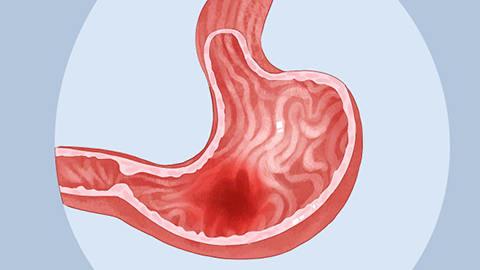
Gastric ulcer is considered a precancerous lesion for gastric cancer. Without timely treatment, malignant transformation may occur. Diagnosis requires esophagogastroduodenoscopy (EGD) with biopsy and histopathological examination. We hope this information proves helpful to you!





