What Causes Urinary Incontinence in Women?
May 30, 2022
Source: Cainiu Health

Dr. Li Mingchuan
Introduction
The most common cause of urinary incontinence in women is stress urinary incontinence. Because the female urethra is shorter, straighter, and has a wider lumen than the male urethra, women have comparatively weaker urinary control, making them more susceptible to various urinary control disorders. Numerous factors contribute to urinary incontinence, including pelvic floor muscle relaxation, pelvic organ prolapse, decreased estrogen levels, and impaired urethral sphincter function.
Many women experience urinary incontinence after childbirth—even if their postpartum recovery appears otherwise excellent. Such embarrassing episodes can abruptly disrupt daily life. Typically, leakage occurs during activities that increase intra-abdominal pressure—such as laughing, coughing, or running—making even a simple cough an uncomfortable and distressing event. So, what causes urinary incontinence in women?
What Causes Urinary Incontinence in Women?
The most common cause of female urinary incontinence is stress urinary incontinence (SUI). Women have shorter, straighter, and wider urethras than men, resulting in inherently weaker urinary sphincter control. Consequently, women are more prone to various urinary control issues.
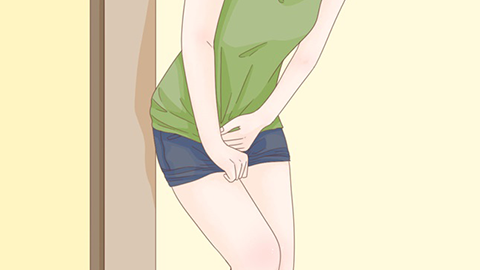
During childbirth, the urethra may sustain injury; similarly, with aging, urethral function gradually declines. As a result, the strength of the urethral sphincter weakens. When intra-abdominal pressure rises—such as during jumping exercises, dancing, sneezing, or coughing—urine leakage may occur. Additionally, bladder dysfunction should be evaluated—for instance, neurogenic bladder, a condition whose symptoms include urinary incontinence. Diagnostic tests can help differentiate among potential underlying causes. Urinary incontinence may stem from multiple factors, including pelvic floor muscle laxity, pelvic organ prolapse, decreased estrogen levels, and impaired urethral sphincter function.
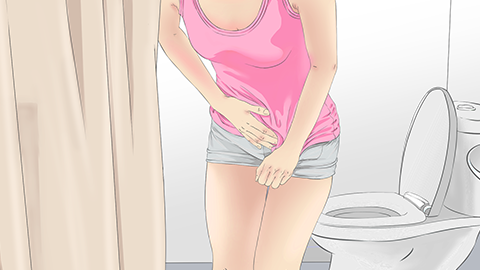
Stress urinary incontinence can be definitively diagnosed using urodynamic testing. Treatment options primarily include pelvic floor muscle training (e.g., Kegel exercises), pharmacotherapy, and surgical intervention. We hope this information proves helpful!