


Most Common Symptoms of Primary Liver Cancer
Jun 02, 2022
Source: Cainiu Health

Dr. Jin Zhongkui
Introduction
The most common symptoms of primary liver cancer may include pain in the hepatic region, abdominal distension, fatigue, weight loss, fever, jaundice, and an upper abdominal mass.
Hepatic pain: The pain may manifest as persistent dull, distending, or stabbing discomfort, often worsening at night or after physical exertion. The location of hepatic pain closely corresponds to the site of the lesion. For instance, lesions in the right lobe of the liver typically cause pain in the right hypochondriac region.
Primary liver cancer can severely impair liver function and may lead to numerous complications. What, then, are the most common symptoms of primary liver cancer?
Most Common Symptoms of Primary Liver Cancer
The most common symptoms of primary liver cancer include pain in the hepatic region, abdominal distension, fatigue, weight loss, fever, jaundice, and an upper abdominal mass. Hepatic pain: This may manifest as persistent dull, distending, or stabbing pain—often worsening at night or after physical exertion. The location of the pain closely corresponds to the site of the lesion: right lobe involvement typically causes pain in the right hypochondriac region, whereas left lobe lesions may produce epigastric discomfort. Pain may also radiate to the shoulder or lower back. Sudden, severe pain accompanied by signs of shock is often due to rupture of a malignant nodule.
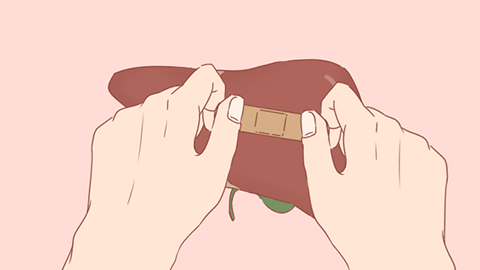
Nausea and vomiting: These symptoms arise from hepatic dysfunction and mechanical compression of the gastrointestinal tract by the tumor; their severity generally correlates with disease progression. Abdominal distension: This may result from massive tumor burden, ascites, and impaired liver function. Symptoms tend to worsen after meals and in the afternoon. Patients may gradually reduce food intake to alleviate discomfort.

Fatigue and weight loss: These occur due to excessive metabolic demand and catabolism associated with malignancy, coupled with reduced dietary intake. Early-stage symptoms may be subtle; however, progressive weight loss commonly develops over time, culminating in severe cachexia and anemia in advanced disease. Some patients with mild early symptoms may recover spontaneously with rest and conservative management. We hope this article has been helpful. Wishing you a joyful life and good health!





