


What Causes Right Lower Quadrant Abdominal Pain in Women?
Jun 02, 2022
Source: Cainiu Health

Dr. Chen Zhe
Introduction
Pain in the lower right abdomen in females is commonly caused by the following conditions:
1. Appendicitis—characterized by persistent, dull pain in the lower right abdomen, sometimes accompanied by rebound tenderness and abdominal muscle rigidity, along with fever. Patients should seek medical evaluation, including complete blood count (CBC), abdominal color Doppler ultrasound, or abdominal CT.
2. Gynecological conditions such as ovarian cyst rupture, ovarian cyst torsion, or ectopic pregnancy.
Many people may suddenly experience pain in the right side of their abdomen—and this can occur frequently, especially among women. So, what causes lower right abdominal pain in women?
Causes of Lower Right Abdominal Pain in Women
Pain in the lower right abdomen in women is commonly caused by the following conditions:
1. Appendicitis: Characterized by persistent dull or sharp pain in the lower right abdomen, often accompanied by rebound tenderness and abdominal muscle rigidity, as well as fever. Diagnosis typically requires blood tests (complete blood count), abdominal color Doppler ultrasound, or abdominal CT scan.
2. Gynecological conditions, including ovarian cyst rupture, ovarian cyst torsion, or ectopic pregnancy. Diagnostic evaluation should include pelvic (uterus and adnexa) color Doppler ultrasound, complete blood count, and serum β-hCG testing.
3. Acute enteritis, often triggered by dietary indiscretion—such as overeating or excessive alcohol consumption. Symptom relief may be achieved through dietary modification (e.g., adopting a light, easily digestible diet) and appropriate pharmacotherapy.
4. Urinary tract stones or urinary tract infection. These require confirmation via urinary tract color Doppler ultrasound.
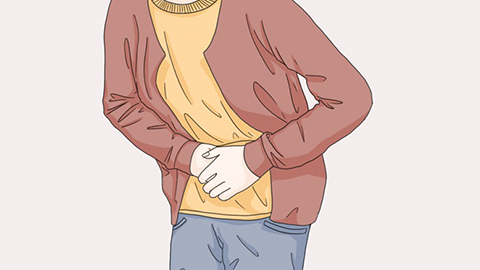
For persistent, mild lower right abdominal pain, women should adopt healthy lifestyle habits: ensure adequate sleep; consume plenty of fruits and vegetables; avoid fried and spicy foods; drink sufficient water to facilitate timely elimination of pathogens; and engage in moderate outdoor physical activity to enhance immune function. If pain becomes severe, prompt medical consultation is essential for accurate diagnosis and targeted treatment under professional guidance—delaying care may lead to complications.

We hope this information has been helpful. Wishing you good health and happiness!






