


Does a newborn need intervention after burping following feeding?
Jun 06, 2022
Source: Cainiu Health

Dr. Zhao Haiming
Introduction
Hiccups in newborns after feeding typically do not require intervention. Post-feeding hiccups are clinically common in infants and primarily result from the following factors:
- Excessive air swallowing: Hiccups reflect spasms of the diaphragm. During feeding, especially when feeding is rushed, infants tend to swallow large amounts of air; subsequent exposure of the diaphragm to cold air triggers diaphragmatic spasm, clinically manifesting as hiccups.
- Gastric distension: As gastric volume gradually increases and the stomach becomes full, abdominal distension occurs.
A significant proportion of newborns experience hiccups during feeding. Some first-time mothers may be unfamiliar with this phenomenon—does hiccupping after feeding require intervention?
Does hiccupping after feeding require intervention in newborns?
Hiccupping after feeding typically does not require intervention in newborns. It is a relatively common clinical occurrence, primarily attributable to the following factors: Excessive air swallowing: Hiccups result from diaphragmatic spasms. During rapid or hurried feeding, infants often swallow excessive air. Cold air repeatedly stimulates the diaphragm, triggering spasms that clinically manifest as hiccups (singultus). Gastric distension: As the stomach gradually fills, gastric distension occurs. A full stomach exerts pressure on the diaphragm, leading to diaphragmatic spasm and subsequent hiccups. In fact, hiccupping after feeding is a normal physiological phenomenon in infants and generally resolves spontaneously within 2–5 minutes without specific intervention.
Hiccups occurring after feeding are medically termed “diaphragmatic spasms.” Because infants’ digestive systems are still immature, they are particularly prone to hiccups. If hiccups occur, offering the baby a small amount of warm water or milk may help alleviate the diaphragmatic spasm.

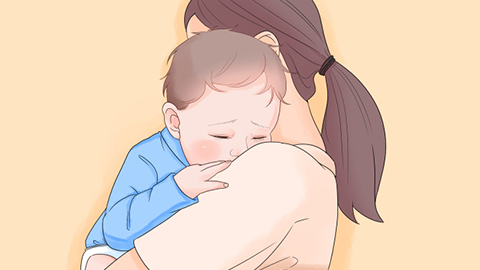
Additionally, holding the baby upright and gently patting their back can also help relieve diaphragmatic spasms. However, if hiccups occur frequently, the infant may swallow excessive air, increasing the risk of spitting up or even aspiration. We hope this information is helpful!







