


Are liver nodules liver cancer?
Jun 08, 2022
Source: Cainiu Health

Dr. Jin Zhongkui
Introduction
Intrahepatic nodules are not necessarily hepatocellular carcinoma (HCC). They encompass various types and can be broadly categorized into benign and malignant tumors. Benign lesions include hepatic hemangiomas, liver abscesses, and nodular regenerative hyperplasia. Malignant tumors include not only primary HCC but also cholangiocarcinoma, metastatic liver cancer, combined HCC-cholangiocarcinoma, and hepatic sarcoma, among others. Thus, HCC represents only one possible cause of intrahepatic nodules.
Some patients experience intermittent pain and, upon hospital examination, are diagnosed with hepatic nodules. However, these patients often mistakenly assume that a hepatic nodule is synonymous with liver cancer. So, is a hepatic nodule the same as liver cancer?
Is a Hepatic Nodule Liver Cancer?
A hepatic nodule is not necessarily liver cancer. Hepatic nodules encompass various types and can be broadly categorized into benign and malignant tumors. Benign lesions include hepatic hemangiomas, hepatic abscesses, and focal nodular hyperplasia. Malignant tumors include not only primary hepatocellular carcinoma (HCC), but also cholangiocarcinoma, metastatic liver cancer, combined HCC-cholangiocarcinoma, and hepatic sarcoma. Thus, liver cancer represents only one possible type among many hepatic nodules. When a nodule is detected in the liver, further imaging—such as abdominal ultrasound, contrast-enhanced CT, or MRI—is required to evaluate its vascularity and determine whether it is malignant. Additionally, tumor marker testing (e.g., alpha-fetoprotein, AFP) may help assess the likelihood of hepatocellular carcinoma. In summary, the majority of hepatic nodules are benign; only a minority represent liver cancer.
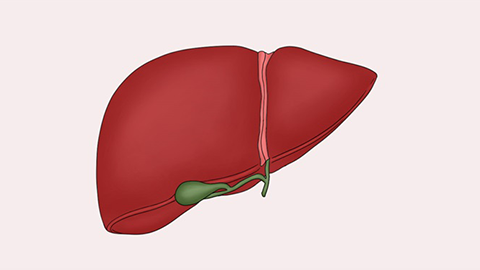
Some patients with hepatic nodules exhibit no symptoms suggestive of either benign or malignant disease. Because the liver parenchyma contains very few nerve endings, symptoms typically arise only when a nodule involves or stretches the Glisson capsule, causing capsular distension or traction. Clinical manifestations depend on multiple factors, including nodule location, size, biological behavior (e.g., malignancy), and coexisting conditions. For instance, subcapsular nodules may provoke pain by directly stimulating the capsule. Furthermore, intrahepatic nodules compressing the bile ducts may cause obstructive jaundice, clinically presenting as yellowing of the eyes (scleral icterus), dark urine, and yellowing of the skin.
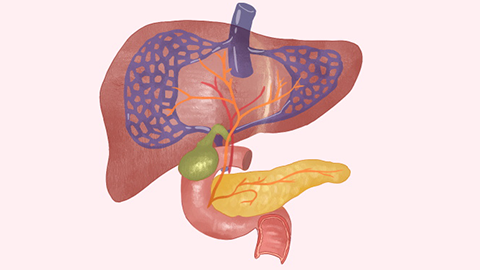
Hepatic nodules can significantly impact an individual’s health. Therefore, if you experience any related symptoms, please seek timely medical evaluation and targeted treatment at a hospital. We hope this article has been helpful to you!



