


What Are the Effects of Staying Up Late During Menstruation?
Jun 09, 2022
Source: Cainiu Health

Dr. Lv Aiming
Introduction
Staying up late during menstruation typically leads to delayed menstrual cycles and may also cause reduced menstrual flow in women. This occurs because prolonged sleep deprivation disrupts ovarian endocrine function and ovulation, resulting in menstrual irregularities. Some women who frequently stay up very late may even develop amenorrhea. Therefore, women are generally advised to avoid staying up late—especially chronically and for extended periods.
It is widely known that staying up late significantly impacts human health and can adversely affect various organs and tissues. In particular, for women, sleep deprivation can exert numerous negative effects on the menstrual cycle, potentially causing harm to overall health. Therefore, maintaining a regular work-and-rest schedule—and avoiding late-night activity—is essential for optimal physical well-being. So, what are the specific effects of staying up late during menstruation?
Effects of Staying Up Late During Menstruation
Staying up late during menstruation commonly leads to delayed menstrual cycles and may also result in reduced menstrual flow. This occurs because prolonged sleep deprivation disrupts ovarian endocrine function and ovulation, thereby causing menstrual irregularities. Some women who habitually stay up very late may even develop amenorrhea (absence of menstruation). Consequently, women are generally advised to avoid staying up late—especially chronically. If menstrual delay is attributed to sleep deprivation, hormonal testing—including measurement of six key reproductive hormones—should be performed to assess ovarian endocrine status. Hormonal therapy may then be considered based on test results.
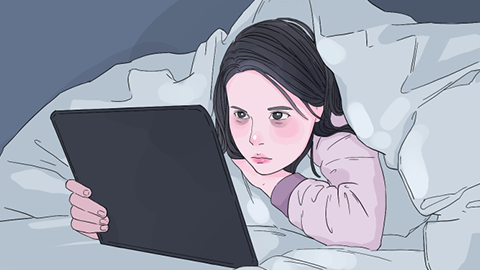
During menstruation, women should prioritize adequate sleep, as restorative sleep supports overall physiological health. Staying up late during this period may deplete energy reserves and progressively worsen skin condition. In daily life, taking a warm bath before bedtime is recommended: bathing enhances blood circulation, alleviates physical fatigue, and promotes easier, more comfortable sleep onset. Conversely, lying in bed immediately after staying up late may intensify feelings of exhaustion rather than facilitate recovery.
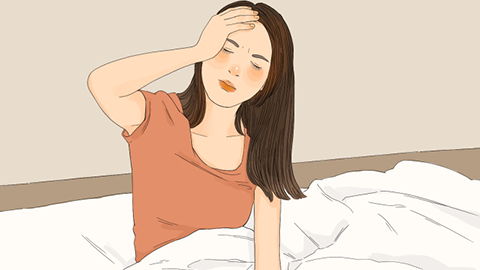
After staying up late during menstruation, it is crucial to maintain balanced nutrition. Upon waking, drink water first, followed by a nutritious breakfast. A well-balanced morning meal not only replenishes energy more effectively but also helps mitigate the adverse physiological effects induced by sleep deprivation. We hope this information proves helpful.



