


How to Lower Elevated Erythrocyte Sedimentation Rate (ESR) in Rheumatoid Arthritis
Jun 10, 2022
Source: Cainiu Health

Dr. Liu Aihua
Introduction
In general, patients with rheumatoid arthritis who exhibit an elevated erythrocyte sedimentation rate (ESR) can perform daily self-care by reducing intake of high-fat foods, consuming light yet nutritious meals, and supplementing nutrients deficient in the body. Additionally, they may seek treatment at a reputable medical institution, where licensed physicians may administer acupuncture at acupoints such as Quchi (LI11), Zusanli (ST36), and Xuehai (SP10). Pharmacological therapy may also be prescribed under physician guidance.
An elevated erythrocyte sedimentation rate (ESR) can cause severe joint discomfort in patients, making timely intervention and treatment essential. Patients should first actively pursue appropriate treatment for their underlying condition, identify potential contributing factors through thorough medical evaluation, and adopt targeted therapeutic approaches. So, how can one lower an elevated ESR in rheumatoid arthritis?
How to Lower an Elevated ESR in Rheumatoid Arthritis
In general, patients with rheumatoid arthritis and an elevated ESR may benefit from daily self-care, physical therapy, and pharmacological treatment. A detailed analysis follows:
1. Daily Self-Care
If a patient has a family history of rheumatoid arthritis, genetic predisposition may increase their risk of developing the disease, potentially leading to an abnormally high ESR. Patients are advised to limit intake of high-fat foods and instead consume light, nutrient-rich meals to replenish essential nutrients and help normalize ESR levels.
2. Physical Therapy
Prolonged exposure to damp environments may facilitate invasion of pathogenic dampness, contributing to the development or exacerbation of rheumatoid arthritis and consequently elevating ESR. Patients are advised to seek care at a reputable medical institution and undergo acupuncture—performed by qualified professionals—at key acupoints such as Quchi (LI11), Zusanli (ST36), and Xuehai (SP10) to alleviate symptoms associated with elevated ESR in rheumatoid arthritis.

3. Pharmacological Treatment
Frequent late-night activity may compromise immune function, increasing susceptibility to viral infections—including cytomegalovirus, human papillomavirus, Epstein-Barr virus, and herpesviruses—which can trigger inflammatory responses. Such inflammation may irritate surrounding tissues and elevate ESR. Under physician guidance, patients may be prescribed medications such as methylprednisolone tablets or cyclosporine capsules to manage inflammation and reduce ESR.
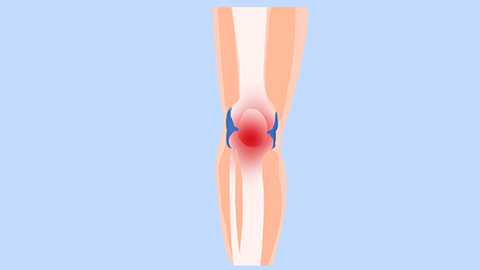
Patients should consistently engage in functional exercises to effectively prevent joint stiffness and functional impairment, avoid muscle atrophy, and enhance overall physical fitness and immune resilience. We hope this information proves helpful.






