


How Can Children Recover Vision from Pseudomyopia?
Jun 29, 2022
Source: Cainiu Health

Dr. Chen You
Introduction
Children with pseudo-myopia can recover their vision through treatment and proper eye care. It is recommended that such interventions be carried out under the guidance of a qualified ophthalmologist. Pseudo-myopia is typically caused by ciliary muscle spasm, which is associated with eye fatigue resulting from excessive near-work. It is advisable to correct unhealthy visual habits—such as avoiding prolonged smartphone use or television viewing—and refraining from reading or using electronic devices in dim lighting.
Myopia (nearsightedness) is now highly prevalent. If you visit a school, you may find that over half the children in a class already wear myopic glasses at an early age—posing significant challenges for their future daily life and careers. To prevent myopia, it is essential first to understand its underlying causes. So, how can children with pseudomyopia recover their vision?
How Can Children with Pseudomyopia Recover Their Vision?
Pseudomyopia in children can be reversed through appropriate treatment and eye care. It is recommended that such interventions be carried out under the guidance of a qualified ophthalmologist. Generally, pseudomyopia results from ciliary muscle spasm, often triggered by excessive eye strain due to prolonged near work. To address this, children should correct poor visual habits—such as avoiding extended smartphone use or television viewing, and refraining from reading or using electronic devices in dim lighting. Daily eye exercises are beneficial; parents may gently massage acupoints around the eyes, or seek professional acupuncture or TCM (Traditional Chinese Medicine) massage therapy.

Physical therapy devices may also be used for non-invasive treatment. Additionally, under medical supervision, pharmacological interventions—including short-term cycloplegic agents (e.g., cyclopentolate or tropicamide)—may be prescribed to induce temporary pupil dilation and relax the ciliary muscle. If a child experiences a rapid decline in visual acuity, pseudomyopia caused by ciliary spasm is likely. In such cases, vision can often be restored through cycloplegic refraction (dilated eye exam) or adequate visual rest. Cycloplegic refraction is the simplest and fastest method to confirm and reverse pseudomyopia.
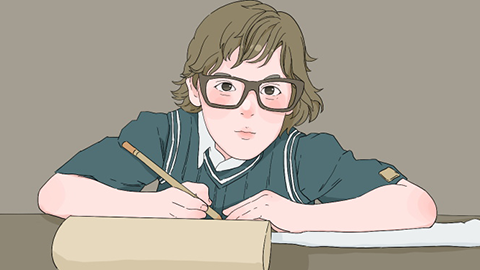
We recommend using cycloplegic agents to relieve ciliary muscle spasm and thereby restore vision in cases of pseudomyopia. We hope this information proves helpful to you.




