


How to Treat Astigmatism
Jun 29, 2022
Source: Cainiu Health

Dr. Chen You
Introduction
Treatment for astigmatism primarily involves optical correction, mainly through wearing eyeglasses with cylindrical lenses or toric contact lenses. However, adequate fitting and adjustment must be performed prior to use to avoid exacerbating astigmatism symptoms. Additionally, certain home-based interventions—such as washing the eyes with warm water and practicing focused breathing—may provide supportive benefits in managing astigmatism. This applies particularly to children and adolescents with astigmatism.
Astigmatism not only impairs visual acuity but also causes significant inconvenience in daily life. If left untreated, the condition may progressively worsen—increasing treatment complexity and raising the risk of developing other ocular diseases, potentially even leading to blindness. So, how is astigmatism treated?
How to Treat Astigmatism
Optical correction is a primary approach for treating astigmatism, mainly achieved through wearing spectacles with toric (astigmatic) lenses or toric contact lenses. However, proper fitting and adjustment are essential before wear to avoid exacerbating astigmatic symptoms. Additionally, certain home-based interventions—such as warm-water eye rinses and focused breathing exercises—may provide supportive benefits in managing astigmatism. For children and adolescents diagnosed with astigmatism, prescription of spectacles with toric lenses (which incorporate cylindrical lens elements) is generally recommended for effective correction. When correcting astigmatism in both eyes, the cylindrical components of the two toric lenses interact to produce binocular spatial visual effects.
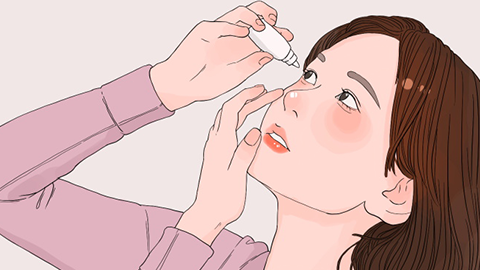
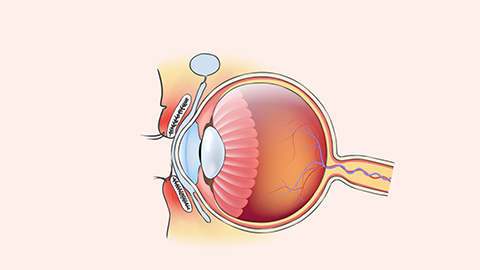
Corneal contact lens correction—commonly referred to as rigid gas-permeable (RGP) lens correction—works by placing the lens directly on the corneal surface. The tear film between the lens and cornea fills in the irregularities caused by corneal astigmatism, while the lens itself possesses no inherent astigmatic power; thus, visual correction is achieved. Most patients achieve excellent visual outcomes with contact lens correction, especially those with high or oblique-axis astigmatism. In cases of irregular astigmatism, correction typically requires RGP lenses combined with spectacle lenses (dual refractive correction), enabling simultaneous management of multiple refractive issues in both eyes.
Patients are advised to disinfect their washbasins and rinse them thoroughly with warm water. We hope this information proves helpful.







