


Can astigmatism be cured?
Jun 29, 2022
Source: Cainiu Health

Dr. Chen You
Introduction
Astigmatism is generally treatable. Upon diagnosis, patients must visit a hospital to have the degree of astigmatism measured and then receive appropriate treatment based on the severity of their condition. If astigmatism exceeds 100 diopters, corrective options include wearing eyeglasses or contact lenses. However, contact lens correction is generally not recommended.
Many people suffer from astigmatism, which can significantly impair normal vision. When viewing objects, they often experience blurred vision or even double images—causing considerable difficulties in daily learning and work. To rapidly alleviate these symptoms, it is essential to first understand appropriate treatment methods. So, can astigmatism be cured?
Can Astigmatism Be Cured?
Astigmatism is generally treatable. Upon diagnosis, patients must visit a hospital to have the degree of astigmatism measured, followed by appropriate, individualized treatment based on the severity. If astigmatism exceeds 100 diopters (D), corrective eyeglasses or contact lenses may be prescribed. However, long-term use of contact lenses is generally not recommended, as it may cause certain ocular damage. For astigmatism greater than 150 D, surgical options—including intraocular lens implantation, corneal laser surgery (e.g., LASIK or SMILE), or non-corneal laser refractive procedures—may be considered. These interventions can effectively correct astigmatism; with timely and active management, most patients achieve significant improvement or resolution of symptoms. Therefore, prompt medical evaluation and selection of an appropriate treatment plan are crucial once astigmatism is diagnosed.
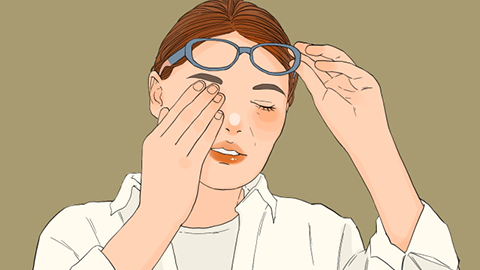
Nutritional support is also important. Patients are advised to consume nutrient- and vitamin-rich foods to help alleviate astigmatism-related symptoms. Recommended foods include fresh vegetables and fruits such as spinach, Chinese cabbage, shepherd’s purse, oats, zucchini, blueberries, apples, kiwifruit, bananas, and pears. Additionally, protein-rich foods—such as eggs, milk, fish, and black beans—are beneficial. Nuts—including peanuts, walnuts, and almonds—may also be consumed in moderation, as they contain unsaturated fatty acids and amino acids that support ocular health and may aid in managing astigmatism.

Patients should avoid excessive eye strain and prolonged late-night activity, and ensure adequate rest. We hope this information proves helpful.





