


How to Correct Astigmatism
Jun 29, 2022
Source: Cainiu Health

Dr. Chen You
Introduction
The most effective treatment for astigmatism is wearing corrective glasses designed for astigmatism. It is also important to maintain good ocular hygiene in daily life—avoid prolonged staring at computer or smartphone screens, as this can cause eye muscle strain and worsen astigmatism. When experiencing eye fatigue, using lubricating eye drops appropriately may help alleviate discomfort. In cases of severe astigmatism, surgical intervention may be necessary.
Daily eye-use habits are often particularly poor. For example, frequently lying down while reading, spending prolonged periods on mobile phones, or working or gaming extensively on computers may contribute to the development of astigmatism. At this stage, patients commonly experience symptoms such as decreased visual acuity, photophobia (light sensitivity), and excessive tearing. Vision becomes blurry—whether viewing distant or near objects—and may even be accompanied by double images (diplopia), significantly impairing daily life. So, how can astigmatism be corrected or improved?
How to Correct or Manage Astigmatism
The most effective treatment for astigmatism is wearing corrective spectacles specifically designed for astigmatism. Additionally, maintaining good ocular hygiene is essential: avoid prolonged screen time on computers or smartphones, as extended focus on close-up digital displays can cause ciliary muscle spasm and potentially worsen astigmatism. When experiencing eye fatigue, over-the-counter lubricating eye drops may help alleviate discomfort. In cases of severe astigmatism, surgical intervention may be necessary. Prior to surgery, a comprehensive ophthalmic evaluation at a hospital is required to rule out any contraindications. Postoperative care—including monitoring and supporting recovery from residual astigmatism—is also critical.
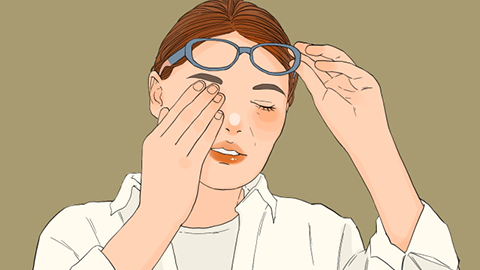
Astigmatism is a type of refractive error and one of the most common ophthalmic conditions. It is typically defined as an optical imperfection resulting from uneven corneal curvature or irregular corneal shape, causing light rays entering the eye to focus at multiple points rather than a single point on the retina. This leads to blurred vision or double images. While mild astigmatism often causes no noticeable visual impairment and requires no intervention or corrective lenses, moderate-to-severe astigmatism can result in significant visual loss—both distance and near vision—and increased susceptibility to eye strain. In such cases, timely correction with spectacles or contact lenses is recommended; adults may also consider corneal refractive surgery.
Patients are advised to avoid excessive eye strain in daily life—particularly prolonged use of electronic devices—and to practice proper eye protection. We hope this information proves helpful.





