


What Are the Effects of Drinking Alcohol During Menstruation?
Jul 04, 2022
Source: Cainiu Health

Dr. Lv Aiming
Introduction
During menstruation, women’s immune resistance decreases due to hormonal fluctuations. Therefore, it is important to pay close attention to one’s physical condition during this time to avoid catching a cold. Alcohol consumption during menstruation may increase menstrual flow, and developing a cold may exacerbate dysmenorrhea. Excessive alcohol intake may also disrupt the menstrual cycle, leading to menstrual irregularities. Moreover, the body’s ability to metabolize alcohol is reduced during menstruation.
In real life, many women have the habit of drinking alcohol. Some women continue drinking even during their menstrual period and fail to recognize the potential harms associated with alcohol consumption at this time. Therefore, understanding the risks of drinking during menstruation is critically important. So, what effects does alcohol consumption have during the menstrual period?
What Are the Effects of Drinking Alcohol During Menstruation?
During menstruation, hormonal fluctuations lead to a temporary decline in women’s immune resistance. Consequently, extra attention must be paid to one’s physical condition during this time to avoid catching colds or infections. Alcohol consumption during menstruation may exacerbate menstrual bleeding volume; concurrent colds may also intensify dysmenorrhea (painful menstruation). Excessive alcohol intake can disrupt the menstrual cycle, leading to irregular periods. Moreover, the body’s ability to metabolize alcohol decreases during menstruation, thereby increasing the burden on the liver. Heavy drinking during this phase raises the risk of alcohol poisoning—hence, alcohol should be avoided entirely during menstruation. While moderate alcohol consumption may be acceptable in daily life, excessive intake should be strictly avoided. Long-term heavy drinking can impair oocyte (egg) quality.
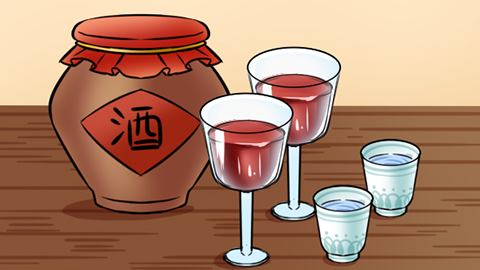
The impact of alcohol on women during menstruation varies from person to person. Generally speaking, alcohol is highly irritating and may stimulate the gastrointestinal tract, causing symptoms such as intestinal spasm, abdominal pain, and indigestion. In menstruating women, alcohol accelerates systemic circulation, potentially leading to abnormally heavy menstrual flow or menorrhagia (excessive uterine bleeding), which may impair the function of reproductive organs and result in conditions such as anemia. Alcohol can also disrupt the endocrine system, compromising immune function. Such disturbances are detrimental to menstrual health and may damage the nervous system, interfering with women’s normal daily routines. Women should therefore avoid all alcoholic beverages during menstruation and instead drink plenty of water while consuming a balanced diet rich in vegetables, fruits, and other nutritious, low-irritant foods.
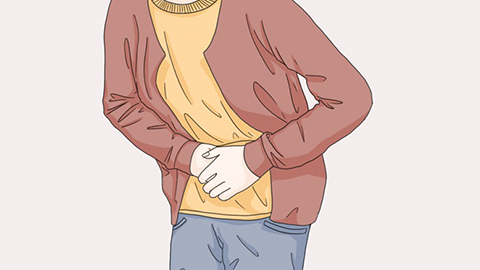
Patients are advised to abstain from alcohol entirely, maintain warmth, and avoid strenuous physical activity. We hope this information proves helpful.



