


How to Treat Hair Loss in Oily Hair
Jul 12, 2022
Source: Cainiu Health

Dr. Liu Wan
Introduction
Hair loss associated with oily hair can be treated with medications: Patients with oily hair should first be aware that seborrheic alopecia may already be present. Medications for treating oily-hair-related alopecia must be used under a physician’s guidance. Clinically, oral treatments primarily include cysteine and vitamin B6—agents that help control excess sebum production and hair loss. Topical treatment options available to patients include minoxidil.
Hair loss is a distressing condition for many people, potentially leading to baldness. Some individuals with oily hair experience hair loss—so how is hair loss in oily-haired individuals treated?
How to Treat Hair Loss in Oily Hair
Medication can be used to treat hair loss associated with oily hair. Individuals with oily hair should first consider the possibility of seborrheic alopecia. Treatment medications for oily-hair-related hair loss must be used under medical supervision. Clinically, oral medications such as cysteine and vitamin B6—known for their anti-seborrheic and hair-loss–inhibiting effects—are commonly prescribed. Topical treatment options include minoxidil, which is applied directly to the scalp to stimulate hair regrowth. Consistent use yields favorable therapeutic outcomes.
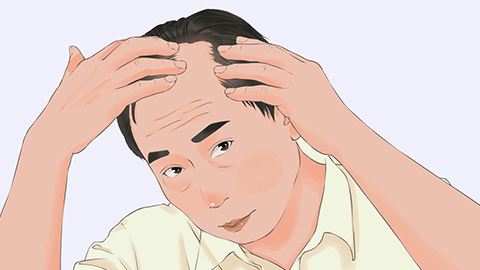
Selecting an appropriate shampoo is also an important adjunctive therapy. People with oily hair should avoid washing their hair too frequently. Although it’s commonly believed that oily hair becomes dirty more easily and causes scalp itching, over-washing with strong shampoos to combat scalp oiliness may paradoxically increase sebum production, leaving hair increasingly greasy. Excessive shampooing stimulates the sebaceous glands to secrete more sebum, thereby worsening scalp oiliness. Nevertheless, patients should still wash their hair regularly to maintain scalp and hair hygiene.

In addition to active treatment and proper hair-washing techniques, patients should also adjust their dietary habits. Avoid consuming excessive amounts of greasy, spicy, or highly stimulating foods. Maintain a calm and relaxed mental state, avoiding undue stress or anxiety—since such negative emotions can also trigger excessive sebum secretion. We hope this article has been helpful. Wishing you a joyful life and good health!




