


What Causes Oily Scalp and Hair Loss?
Jul 15, 2022
Source: Cainiu Health

Dr. Liu Wan
Introduction
Most cases of hair loss are caused by excessive sebum secretion and should be clinically diagnosed as seborrheic alopecia. Seborrheic alopecia is also known as early-onset alopecia, familial alopecia, or androgenetic alopecia. Two key factors associated with this condition are genetic and endocrine factors. Seborrheic alopecia often has a familial history and follows an autosomal dominant inheritance pattern. The endocrine factor involves androgen imbalance.
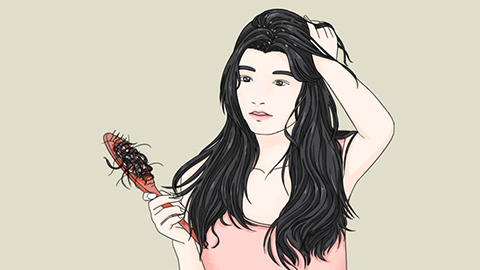
Oily scalp and hair loss commonly affect both men and women. So, what causes oily scalp–associated hair loss?
What Causes Oily Scalp–Associated Hair Loss?
This type of hair loss is primarily triggered by excessive sebum production and is clinically diagnosed as seborrheic alopecia (also known as androgenetic alopecia, early-onset alopecia, or familial alopecia). Two key contributing factors are genetic predisposition and endocrine imbalance. Seborrheic alopecia often runs in families and follows an autosomal dominant inheritance pattern. Endocrinologically, it is associated with androgen imbalance—specifically, elevated circulating androgen levels. In genetically susceptible individuals, differences in enzymatic activity and receptor specificity within the scalp amplify the effects of normal or elevated androgen levels, thereby disrupting follicular and sebaceous gland metabolism and leading to increased hair shedding and sebum overproduction.

Firstly, patients should maintain a regular lifestyle and frequently wash their hair with antifungal shampoos—such as selenium sulfide shampoo, ketoconazole shampoo, or sulfur soap-based shampoos—to keep the scalp clean. Dietary habits also matter: avoid spicy foods (e.g., spicy crayfish and hotpot) and limit intake of high-fat foods. Additionally, establish consistent sleep patterns and avoid staying up late.
Avoid washing your hair too frequently. Minimize the frequency of hair perming and dyeing, and manage psychological stress effectively. If symptoms persist despite implementing these measures, consult a dermatologist at a hospital. We hope this information proves helpful!




