


What medications are used to treat pulmonary tuberculosis?
Aug 02, 2022
Source: Cainiu Health

Dr. Guo Xiheng
Introduction
In the treatment of pulmonary tuberculosis, first-line anti-tuberculosis drugs are typically administered orally. Newly diagnosed patients usually receive a combination of four first-line anti-tuberculosis drugs—isoniazid, rifampicin, pyrazinamide, and ethambutol—under physician supervision. This fixed-dose combination is referred to as FDC. Second-line drugs are primarily used for patients who are intolerant to or resistant to first-line agents, as well as for retreatment and critically ill patients.
Tuberculosis (TB) of the lungs is a very common disease in daily life. Currently, many individuals are encountering difficulties related to this condition and should pay close attention to selecting scientifically sound treatment approaches. A variety of symptomatic medications are available for patients today; however, drug selection should be tailored according to individual clinical circumstances. So, what medications are used to treat pulmonary tuberculosis?
What Medications Are Used to Treat Pulmonary Tuberculosis?
In the treatment of pulmonary tuberculosis, first-line anti-tuberculosis drugs are typically administered orally. Newly diagnosed patients usually receive a combination of four first-line anti-TB drugs—isoniazid, rifampicin, pyrazinamide, and ethambutol—under physician supervision. This fixed-dose combination is commonly referred to as FDC (Fixed-Dose Combination). Second-line drugs are primarily reserved for patients who are intolerant to or resistant to first-line agents, as well as for those undergoing retreatment or presenting with severe disease. Commonly prescribed second-line oral agents include fluoroquinolones such as levofloxacin and moxifloxacin, which must also be taken under medical guidance. Injectable second-line agents include streptomycin, capreomycin, and amikacin.
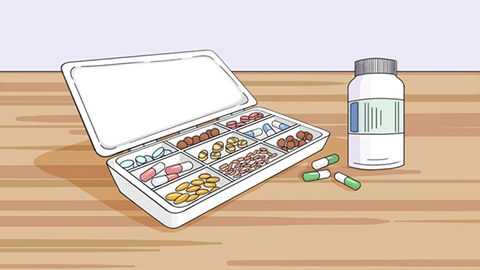
Anti-tuberculosis drugs are classified into two categories based on therapeutic efficacy and adverse effects. First-line anti-TB drugs are characterized by high efficacy and relatively low incidence of adverse reactions; examples include streptomycin, isoniazid, rifampicin, pyrazinamide, and ethambutol. In contrast, second-line anti-TB drugs are generally less effective and/or less safe than first-line agents. When adverse reactions occur with first-line drugs, alternatives—including kanamycin, amikacin, para-aminosalicylic acid (PAS), levofloxacin, and moxifloxacin—may be selected under physician guidance. The World Health Organization (WHO) recommends quinolone antibiotics (e.g., levofloxacin, gatifloxacin) and injectable second-line agents (e.g., amikacin, capreomycin) for the treatment of multidrug-resistant tuberculosis (MDR-TB).
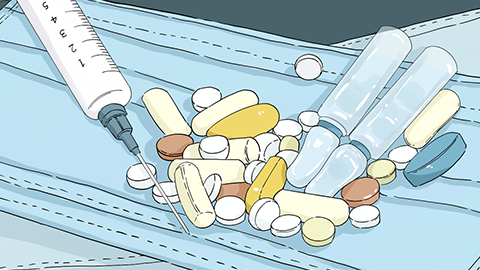
Patients are advised to maintain healthy lifestyle habits and follow a balanced diet, avoiding spicy and irritating foods. We hope this information proves helpful.



