Which is more painful: apical periodontitis or pulpitis?
Aug 02, 2022
Source: Cainiu Health

Dr. Zhang Lei
Introduction
If apical periodontitis and pulpitis occur chronically, pulpitis is likely to be more painful. Essentially, chronic apical periodontitis (or chronic periapical inflammation) typically produces no pain, whereas chronic pulpitis does cause pain. Therefore, chronic pulpitis should be more painful than chronic apical periodontitis. In contrast, if either condition presents acutely—i.e., acute apical periodontitis or acute pulpitis—both are highly painful, making it difficult to determine which is more severe.
Oral health significantly impacts everyone, and dental health plays a vital role in daily life. However, many individuals experience oral health issues. For example, some suffer from pulpitis, while others develop apical periodontitis. In fact, these conditions can often be prevented with early intervention. So, which is more painful—apical periodontitis or pulpitis?
Which Is More Painful: Apical Periodontitis or Pulpitis?
If both apical periodontitis and pulpitis occur in their chronic forms, pulpitis tends to be more painful. Chronic apical periodontitis (or chronic apical periodontitis) typically produces no pain, whereas chronic pulpitis usually does cause discomfort. Thus, chronic pulpitis is generally more painful than chronic apical periodontitis. In contrast, if either condition presents acutely—acute apical periodontitis or acute pulpitis—both are intensely painful, making direct comparison difficult. Pain perception varies among individuals, and disease progression also influences symptom severity. Consequently, both acute apical periodontitis and acute pulpitis elicit strong, severe pain. Prompt emergency treatment is essential to rapidly and effectively alleviate the pain. Therefore, patients with either pulpitis or apical periodontitis should seek care from a dental specialist.
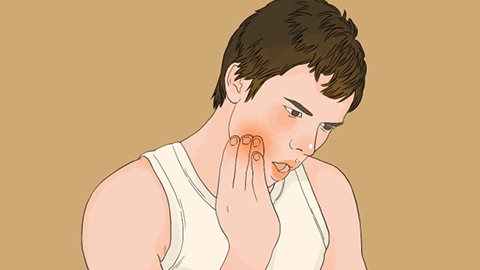
Pulpitis and apical periodontitis are two of the most common conditions encountered in dentistry—particularly in restorative dentistry and endodontics. Between the two, apical periodontitis is generally considered more severe. This is because most cases of apical periodontitis result from untreated, progressive pulpitis. In the majority of instances, both pulpitis and apical periodontitis originate from dental caries. Initially, caries may be asymptomatic, manifesting only as changes in tooth color and texture, without causing pain. However, as caries advances, patients begin experiencing pain—indicating that the decay has progressed to involve the dental pulp, i.e., pulpitis.

We recommend maintaining good oral hygiene—brushing teeth thoroughly twice daily, morning and night—and consuming plenty of fresh fruits and vegetables. We hope this information proves helpful.