


What should I do if I have coronary heart disease?
Aug 04, 2022
Source: Cainiu Health

Dr. Li Man
Introduction
The primary treatment options for coronary artery disease (CAD) include pharmacotherapy, stent implantation, and coronary artery bypass grafting (CABG). If the condition is mild, conservative drug therapy may be sufficient. For patients with confirmed CAD and more severe disease, minimally invasive stent implantation is indicated. In cases of extensive vascular disease or technical difficulty with stent placement, coronary artery bypass grafting may be considered.
Coronary artery disease (CAD) is a highly prevalent condition that poses a serious threat to patients’ lives and health, often leading to functional impairments in daily life. Even after an acute episode is brought under control, severe cases may still result in long-term complications.
What Should Be Done for Coronary Artery Disease?
The primary treatment approaches for CAD include pharmacological therapy, percutaneous coronary intervention (PCI) with stent implantation, and coronary artery bypass grafting (CABG). For mild cases, conservative drug therapy is typically sufficient. However, if the patient has confirmed CAD with more severe manifestations, minimally invasive stent implantation is generally recommended. In cases of extensive or complex coronary artery disease—or when stent placement proves technically challenging—CABG may be considered, though this surgical option carries inherent risks.
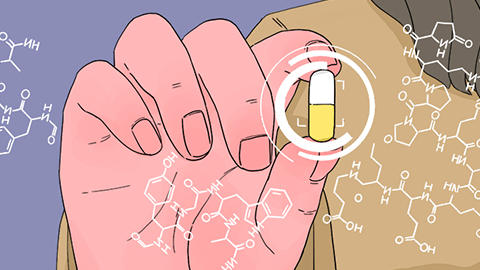
If CAD is suspected, coronary CT angiography (CTA) is recommended as an initial screening tool. Mild, stable coronary artery stenosis may be managed effectively with oral medications alone. In contrast, significant stenosis requires individualized treatment decisions based on clinical symptoms. Patients with stable angina pectoris can usually continue oral medication for symptom control. However, if symptoms remain uncontrolled, recurrent episodes occur, or recent attacks have become more frequent and prolonged compared with prior episodes, coronary angiography should be performed; stent implantation may then be indicated.
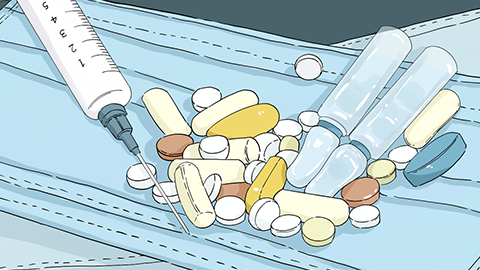
Patients are advised to follow a light, low-fat diet, avoid spicy and irritating foods, quit smoking and alcohol consumption, maintain regular sleep-wake cycles, and avoid staying up late. We hope this information is helpful to you.




