


What Causes Hair Loss in Teenagers?
Aug 06, 2022
Source: Cainiu Health

Dr. Liu Wan
Introduction
Hair loss is a relatively common condition that can occur at any age. In adolescents, hair loss is often associated with emotional stress, psychological pressure, staying up late, and sudden frights. For instance, some students and young people in this age group may experience hair loss triggered by such factors—such as individuals prone to anxiety and stress, or those who watch horror movies and wake up startled from nightmares in the middle of the night.
In schools, some students suffer from hair loss, which severely impacts their academic performance. What causes hair loss in adolescents?
What Causes Hair Loss in Adolescents?
Hair loss is a relatively common condition that can occur at any age. In adolescents, hair loss is often associated with emotional stress, psychological pressure, staying up late, or sudden fright. For instance, students and young people in this age group may experience hair shedding when exposed to such triggers—e.g., individuals prone to anxiety and stress, or those who watch horror movies and wake up startled from nightmares in the middle of the night.

Clinically, hair loss manifests primarily in several forms: alopecia areata (commonly known as “ghost shaving”), patchy hair loss, and androgenetic alopecia (also termed seborrheic alopecia), characterized by more extensive hair shedding. Treatment should be tailored to the underlying cause. Alleviating emotional stress and psychological pressure—key contributing factors—through regular physical exercise often leads to improvement. When necessary, consultation with a healthcare provider is recommended. Underlying scalp disorders must also be actively diagnosed and managed. Maintaining a regular daily routine and avoiding late-night activities is essential.
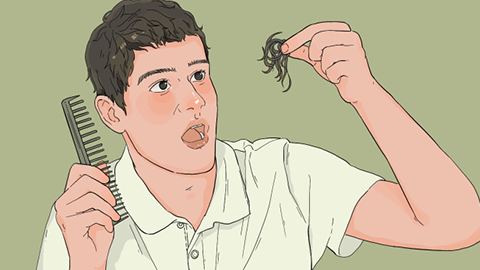
Hair loss typically requires evaluation by a dermatologist. Physiological (normal) hair shedding can often be gradually improved through lifestyle adjustments, whereas pathological hair loss necessitates active, collaborative treatment under medical supervision. In daily diet, avoid foods excessively high in fat; instead, favor light, balanced meals rich in fresh fruits and vegetables. Additionally, avoid placing excessive pressure on yourself, and cultivate healthy habits—including consistent sleep schedules—to prevent sleep deprivation. We hope this information proves helpful!




