What causes persistent nausea and vomiting?
Aug 22, 2022
Source: Cainiu Health

Dr. Zhao Haiming
Introduction
Frequent nausea, dry heaving, and vomiting can lead to gastrointestinal disorders, including gastroenteritis or gastrointestinal dysfunction. These conditions may arise from gastroenteritis or gastroesophageal reflux disease (GERD). They can adversely affect the respiratory and urinary systems, severely impair nutrient absorption, and even trigger a cascade of immune dysregulations. Frequent nausea and dry heaving are most commonly caused by gastroenteritis.
Frequent nausea and vomiting can occur in the course of many diseases—such as gastrointestinal disorders and chronic illnesses—or may represent a physiological reflex, for example, morning sickness during early pregnancy. Therefore, careful identification is essential. So, what could be causing persistent nausea and vomiting?
What Causes Persistent Nausea and Vomiting?
Frequent nausea, dry heaving, and vomiting may indicate underlying gastrointestinal disease—including gastroenteritis or functional gastrointestinal disorders. These conditions may stem from infectious gastroenteritis or gastroesophageal reflux disease (GERD). Left untreated, they can adversely affect other organ systems—including the respiratory and urinary systems—and severely impair nutrient absorption, potentially triggering immune dysregulation. While most cases of recurrent nausea and dry heaving are attributable to gastroenteritis, chronic pharyngitis and other conditions may also produce similar symptoms—including nausea, vomiting, and even secondary gastroesophageal reflux–related complications such as heartburn. If you experience dry heaving or nausea, it signals abnormal gastrointestinal function, and prompt medical evaluation is strongly advised.
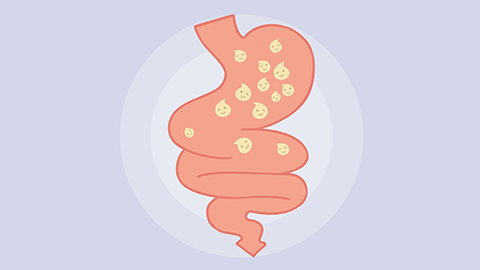
Patients with recurrent vomiting should first undergo liver and kidney function tests. Hepatic impairment often manifests with persistent nausea, vomiting, anorexia, abdominal distension, fatigue, and aversion to food. When these symptoms are present, liver function testing helps identify the underlying cause. Renal function assessment is equally important: patients with advanced renal failure and severe azotemia may develop vomiting. For vomiting triggered by common colds or ingestion of contaminated food, medications such as omeprazole enteric-coated capsules or domperidone may be prescribed under physician guidance. In cases of acute gastroenteritis with severe vomiting, intramuscular metoclopramide may be administered.

Individuals experiencing frequent vomiting should adopt a bland, low-residue diet. Recommended foods include easily digestible liquids or semi-liquids—such as congee (rice porridge), noodles, and fish soup. Spicy, irritating, greasy, or high-cholesterol foods should be strictly avoided. We hope this information proves helpful.