


What Causes Nosebleeds During Menstruation?
Aug 24, 2022
Source: Cainiu Health

Dr. Lv Aiming
Introduction
The cause of nosebleeds accompanied by tearing during menstruation is damage to the nasal mucosa due to dryness. If epistaxis occurs with every menstrual cycle, the most common underlying cause is endometriosis involving the nasal cavity. During menstruation, the endometrium sheds, resulting in vaginal bleeding; similarly, ectopic endometrial tissue in the nasal cavity may also bleed cyclically. It is recommended to consult an otolaryngologist for further evaluation to determine whether endometriotic lesions are present in the nasal cavity, followed by appropriate treatment based on the findings.
Nosebleeds (epistaxis) are a common condition encountered in daily life. There are numerous potential causes for this symptom—some originate from diseases affecting the nasal cavity itself, while others stem from systemic illnesses. Typically, unilateral (single-nostril) nosebleeds are most common. Nosebleeds may also occur during menstruation in women; what, then, are the underlying causes of menstrual-related epistaxis?
Causes of Menstrual-Related Nosebleeds
Menstrual nosebleeds often result from dryness-induced damage to the nasal mucosa. If nosebleeds recur consistently with each menstrual cycle, the most likely cause is endometriosis involving the nasal cavity. During menstruation, the uterine endometrium sheds, leading to vaginal bleeding; similarly, ectopic endometrial tissue in the nasal cavity may also bleed cyclically. It is recommended to consult an otolaryngologist (ENT specialist) for further evaluation to determine whether endometriotic lesions are present in the nasal cavity, followed by appropriate treatment based on the findings.

Hormonal fluctuations during menstruation can lead to irritability, anger, and emotional instability in women, which may contribute to nosebleeds. Excessive blood loss during menses may transiently impair coagulation function, thereby increasing susceptibility to epistaxis—or even prolonged or recurrent epistaxis. Additionally, pre-existing nasal conditions—such as recent nasal trauma or dry ambient air—may predispose to bleeding during this period.
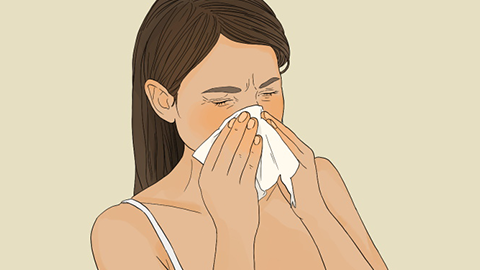
If the volume of nasal bleeding during menstruation is minimal, specific medical intervention is generally unnecessary; however, prompt direct pressure should be applied to control bleeding. In cases of heavy or persistent bleeding, immediate medical attention is advised. We hope this information has been helpful.



