


What causes headache, nausea, vomiting, and general weakness?
Aug 24, 2022
Source: Cainiu Health

Dr. Zhao Haiming
Introduction
Headache, nausea, vomiting, and generalized fatigue may result from neurological dysfunction, anemia, hypertension, or other causes; treatment should be tailored to the underlying etiology. Common cold or cervical spondylosis can also cause headache, nausea, vomiting, and fatigue. During a common cold, patients may experience rhinorrhea and/or fever. Headache and nausea may also stem from cervical spondylosis, which can compress blood vessels.
If a patient experiences headache, dizziness, and nausea, these symptoms may be caused by a condition known as migraine. This disorder also has a relatively high prevalence among young adults and represents a specific subtype of migraine. So, what could be causing headache, nausea, vomiting, and generalized fatigue?
What Causes Headache, Nausea, Vomiting, and Generalized Fatigue?
Headache, nausea, vomiting, and generalized fatigue may result from various underlying causes, including neurological dysfunction, anemia, hypertension, common cold, or cervical spondylosis. Following a cold, patients may develop rhinorrhea, nasal congestion, or fever. Cervical spondylosis can also cause headache and nausea due to compression of blood vessels, leading to insufficient cerebral blood supply. Treatment may include over-the-counter cold medications and antiviral agents. If fever is present, antipyretics may be used for symptomatic relief. Given the wide range of potential causes for headache, nausea, vomiting, and fatigue, management should be tailored according to the specific etiology.

Firstly, if the patient experiences fatigue, insomnia, or has recently engaged in sleep deprivation, such symptoms may stem from neurological dysfunction; rest often provides relief. Secondly, patients with a history of primary headache disorders—such as migraine, tension-type headache, or cluster headache—may develop severe headache episodes. For instance, during a tension-type headache episode, intense nausea, vomiting, and profound fatigue may occur, secondary to the headache itself. It is recommended to promptly take oral analgesics to abort the headache attack.
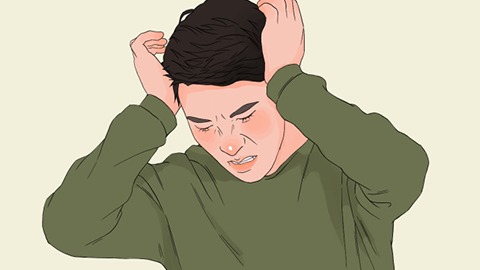
It is recommended to promptly take oral analgesics to abort the headache attack. However, if the patient experiences severe headache accompanied by nausea, vomiting, fatigue, and gait instability, cerebrovascular disease—such as cerebellar hemorrhage—must be considered, and immediate hospital evaluation and treatment are essential. We hope this information proves helpful.






