


What are the causes of dizziness, cold sweats, nausea, and vomiting?
Aug 24, 2022
Source: Cainiu Health

Dr. Zhao Haiming
Introduction
Dizziness, cold sweats, nausea, and a sensation of wanting to vomit may stem from constitutional weakness. This condition is closely related to the health of the spleen and stomach; when these organs become excessively weak, the body fails to properly absorb nutrients—leading not only to dizziness and sweating but also to symptoms such as nausea, dry heaving, and loss of appetite. Individuals with constitutional weakness tend to sweat easily, and those with dual deficiency of qi and blood may experience both dizziness and sweating.
When ill, individuals experience various symptoms depending on their constitutional makeup. Some patients develop dizziness or sweating after falling ill. Excessive sweating—particularly nocturnal or spontaneous sweating—is commonly referred to as “night sweats” or “spontaneous sweating.” Prolonged or excessive sweating may lead to physical weakness, mental fatigue, and compromised overall health. So, what causes dizziness, spontaneous sweating, nausea, and vomiting?
What Causes Dizziness, Spontaneous Sweating, Nausea, and Vomiting?
Dizziness accompanied by spontaneous sweating, nausea, and vomiting may stem from constitutional deficiency. This condition is closely linked to the health of the spleen and stomach: when these organs become severely weakened, the body fails to properly absorb nutrients. As a result, symptoms such as dizziness, sweating, nausea, dry heaving, and loss of appetite may occur. Individuals with deficient constitutions are especially prone to spontaneous sweating; those suffering from both qi and blood deficiency often experience dizziness and sweating. During menstruation—particularly in women—excessively heavy menstrual flow, coupled with inadequate nutritional replenishment and energy restoration, can exacerbate sweating and negatively impact personal health.
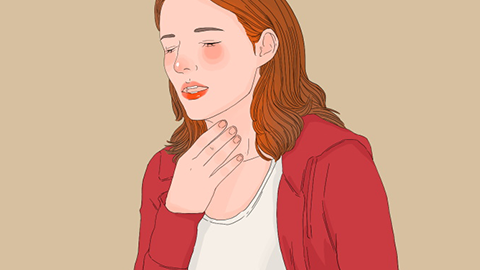
To prevent excessive debilitation caused by sweating, adequate rest is essential following episodes of sweating. Maintaining a regular schedule for work and rest is highly recommended. When necessary, prompt medical evaluation at a hospital is advised. Additionally, sweating resulting from spleen-stomach deficiency can be managed through dietary adjustments—consuming nutrient-dense foods helps replenish the body’s vital resources.
Patients are encouraged to strengthen their individual resistance to reduce occurrences of spontaneous sweating and dizziness. We hope this information proves helpful to you.







