


Can you drink alcohol during your menstrual period?
Aug 24, 2022
Source: Cainiu Health

Dr. Lv Aiming
Introduction
Alcohol consumption is prohibited during menstruation. This is because alcoholic beverages—including red wine—contain alcohol, which can cause vasodilation and increased heart rate, thereby interfering with uterine contractions and potentially leading to excessive menstrual bleeding. Therefore, drinking alcohol is not permitted during menstruation. In traditional Chinese medicine, alcohol is believed to promote blood circulation.
Under normal circumstances, women experience menstruation each month—a unique physiological period. Failing to take proper care of oneself during this time may increase the risk of developing certain health conditions later in life as one ages. Special attention must be paid to diet during menstruation; so, is it safe to drink alcohol during this period?
Can you drink alcohol during menstruation?
Alcohol consumption is not recommended during menstruation. Alcoholic beverages—including wine—contain ethanol, which can cause vasodilation and increased heart rate, thereby interfering with uterine contractions and potentially leading to menorrhagia (excessively heavy menstrual bleeding). Therefore, alcohol intake is discouraged during menstruation. According to Traditional Chinese Medicine (TCM), alcohol promotes blood circulation and is thus unsuitable for individuals with a tendency toward bleeding—even during normal menstruation. During this period, adequate rest and a light, non-spicy diet are advised.
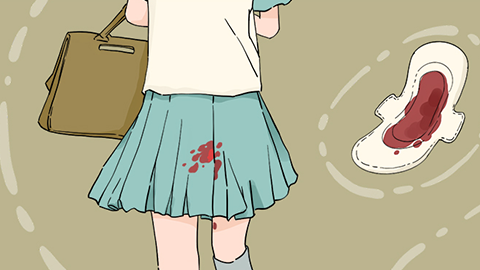
It is best to avoid alcohol entirely during menstruation, as the female body tends to be relatively weak at this time, with lowered immunity. Consuming spicy foods or alcoholic beverages may not only trigger dysmenorrhea (painful menstruation) and abnormal menstrual flow but also cause breast tenderness and swelling, and exacerbate negative emotional states such as anxiety and irritability. Alcohol accelerates systemic circulation; drinking during menstruation may therefore increase menstrual blood loss. Excessive blood loss can weaken the body and impair resistance to disease. Moreover, alcohol consumption during menstruation may provoke or worsen dysmenorrhea—so abstaining from alcohol during this time is strongly advised.
During menstruation, it is advisable to avoid raw, cold, spicy, or otherwise stimulating foods. Instead, drink more ginger tea, soak your feet regularly, and apply warm compresses to the lower abdomen. Avoid overexertion, maintain regular sleep patterns—going to bed early and rising early—and refrain from consuming cold beverages. We hope this information proves helpful.




