


What Causes a Delayed Menstrual Period?
Aug 24, 2022
Source: Cainiu Health

Dr. Lv Aiming
Introduction
Factors such as pregnancy, medications, and surgical procedures may cause menstrual delay. During pregnancy, changes occur in the secretion levels and ratios of sex hormones—including progesterone—leading to cessation of menstruation (amenorrhea), which manifests as a delayed period. Early pregnancy symptoms—such as fatigue and loss of appetite—may accompany this delay. Daily administration of progestin-containing medications can prolong the luteal phase, thereby indirectly delaying menstruation.
In fact, many women frequently experience irritability. In most cases, they encounter mood disturbances—such as irritability or low mood—during the early or late phases of their menstrual cycle. Many people assume that persistent negative moods may cause menstrual delay. So, what factors can actually lead to delayed menstruation?
Causes of Menstrual Delay
Menstrual delay may result from pregnancy, medications, surgical interventions, and other factors. During pregnancy, changes occur in the secretion ratios of sex hormones and progesterone, leading to cessation of ovulation and menstruation—thus causing delay—accompanied by early pregnancy symptoms such as fatigue and loss of appetite. Daily administration of progestin-containing medications can prolong the luteal phase, indirectly delaying menstruation. Gynecological surgeries that cause cervical or tubal adhesions may disrupt normal ovulation and contribute to menstrual delay. Chronic illnesses—including chronic hepatitis, severe anemia, and pulmonary tuberculosis—can also lead to delayed menstruation. Psychological factors, such as excessive stress, anxiety, or environmental changes, may interfere with sex hormone secretion and thereby cause menstrual delay.
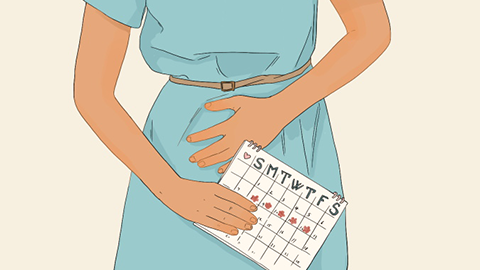
Menstruation follows a relatively regular cycle; any significant deviation from this pattern may indicate an underlying health issue. Menstruation results from the shedding of the endometrium—the inner lining of the uterus. The cyclical growth and subsequent shedding of the functional layer of the endometrium are regulated by fluctuations in hormonal levels, making menstruation a normal physiological process. Since menstruation is primarily governed by the endocrine system, its delay often reflects endocrine imbalance. However, when menstruation is delayed by approximately one week, home pregnancy tests demonstrate high accuracy for detecting early pregnancy.
Diet should be light and easily digestible, rich in vitamins and protein. Consume ample fresh vegetables and fruits, and avoid cold, spicy, or otherwise irritating foods. Foods such as brown sugar, Chinese chives, lamb, eggs, goji berries, and tremella fungus may be consumed in moderation to help regulate bodily functions and alleviate menstrual delay. We hope this information proves helpful to you.



