


Can I run with a meniscus injury?
Aug 24, 2022
Source: Cainiu Health

Dr. Lin Yunfei
Introduction
Running is not recommended after a meniscus injury. In general, conservative treatment is advised. Regular movement of the knee joint can promote local blood circulation, which facilitates meniscal healing. Rehabilitation following the injury should be conducted under a physician’s guidance. Avoid rushing or accelerating your recovery pace, as this may hinder bodily recovery. Prolonged physical activity should be avoided after a meniscus injury.
Currently, the number of patients with meniscus injuries is increasing. This condition not only causes abnormal pain but also significantly impairs patients’ daily life and work. For instance, some patients enjoyed running before becoming ill. Now that they are unwell, they wish to engage in appropriate exercise. If the medial meniscus is injured, can patients still run?
Can patients with a meniscus injury run?
Running is generally not recommended following a meniscus injury. Conservative treatment is typically advised. Regular, gentle movement of the knee joint helps promote local blood circulation, which supports meniscal healing. Rehabilitation after injury must be conducted under a physician’s guidance—patients should avoid rushing recovery or accelerating their exercise intensity, as doing so may hinder healing. After a meniscus injury, prolonged or intense physical activity should be avoided. Since the meniscus derives its nutrients from synovial fluid within the knee joint—not directly from blood supply—meniscal tears heal poorly once they occur. Therefore, vigorous exercise is discouraged; however, slow jogging may be incorporated into a supervised rehabilitation program.
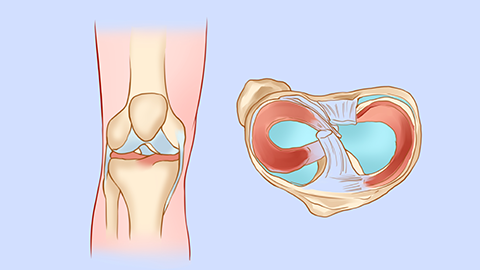
When performing slow jogging, patients must strictly control duration and intensity to avoid overexertion, which could compromise recovery. While many meniscus injury patients undergo conservative management, this does not mean remaining bedridden. Instead, appropriate, controlled movement within the knee joint is encouraged to enhance local circulation and facilitate meniscal repair. Strengthening the thigh muscles and knee ligaments through targeted exercises can extend knee joint longevity—making knee protection especially critical.
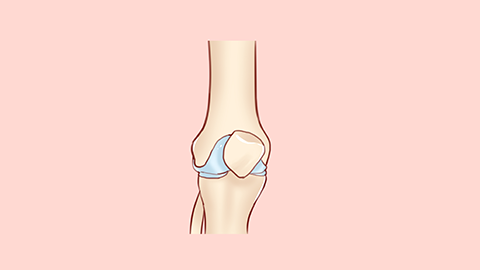
Patients are strongly advised to follow their physician’s specific instructions. Rushing into rapid or intense exercise out of impatience is counterproductive and may delay recovery. We hope this information proves helpful.





