


Traditional Chinese Medicine (TCM) Treatment for Pulmonary Tuberculosis
Aug 24, 2022
Source: Cainiu Health

Dr. Guo Xiheng
Introduction
Pulmonary tuberculosis can be treated in Traditional Chinese Medicine (TCM) according to patterns such as “lung yin deficiency–type pulmonary tuberculosis” and “pulmonary tuberculosis with lung-kidney deficiency.” Patients with these patterns often present with a dry, non-productive cough, accompanied by marked chest pain during coughing, dry mouth, and spontaneous sweating. The primary therapeutic principle is to moisten the lungs, nourish yin, and suppress cough; Yu Hua Wan (Moonlight Pill) is the recommended formula. In patients with lung-kidney deficiency–type pulmonary tuberculosis, shortness of breath and cough are commonly observed.
Tuberculosis (TB) is a highly contagious pulmonary disease. In Traditional Chinese Medicine (TCM), it is also referred to as “pulmonary tuberculosis.” The primary treatment approaches for pulmonary tuberculosis are Western medicine and surgical intervention. However, anti-tuberculosis drug therapy in Western medicine may produce certain adverse effects. In addition to conventional Western treatments, many patients also opt for TCM-based therapies for pulmonary tuberculosis. So, what are the TCM treatment methods for pulmonary tuberculosis?
TCM Treatment Methods for Pulmonary Tuberculosis
Pulmonary tuberculosis can be classified and treated according to TCM patterns, such as “lung yin deficiency” type or “lung-kidney deficiency” type. Patients with lung yin deficiency–type pulmonary tuberculosis typically present with a dry, non-productive cough, accompanied by distinct chest pain during coughing, dry mouth, and spontaneous sweating. The therapeutic principle focuses on moistening the lungs, nourishing yin, and suppressing cough; Yue Hua Wan (Moonlight Pill) is the recommended formula.
Patients with lung-kidney deficiency–type pulmonary tuberculosis commonly experience shortness of breath and cough, often with small amounts of thick or purulent yellow sputum. In severe cases, recurrent coughing occurs, accompanied by marked weight loss, insomnia, dizziness, tinnitus, and irritability. The fundamental treatment principle is to tonify the kidneys; Bai He Gu Jin Tang (Lily Bulb Decoction for Consolidating the Metal Element) is the optimal prescription.
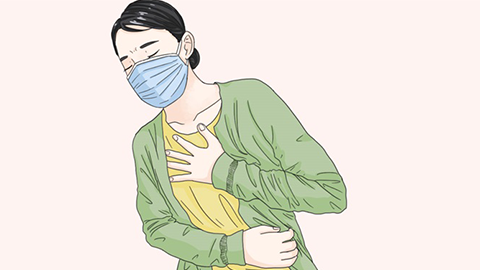
Tuberculosis is a chronic infectious disease primarily caused by Mycobacterium tuberculosis. It may affect multiple organs, but pulmonary involvement is the most common manifestation. Pathologically, the disease is characterized by tuberculous granulomas and caseous necrosis, and cavitation frequently develops. Most cases follow a chronic course, while a minority present acutely. Systemic symptoms—such as low-grade fever and fatigue—and respiratory symptoms—including cough and hemoptysis—are typical. Primary pulmonary tuberculosis, also known as childhood pulmonary tuberculosis, is the predominant form in infants and represents the initial infection following first exposure to M. tuberculosis.

Patients with pulmonary tuberculosis should ensure adequate rest, maintain proper nutrition, consume low-fat, high-protein foods, and increase intake of vegetables and fresh fruits to enhance immune function. We hope this information proves helpful.



