


Does eating pineapple cause internal heat (fire) in the body?
Sep 13, 2022
Source: Cainiu Health

Dr. Pan Yongyuan
Introduction
Eating too much pineapple may cause the body to "heat up." Pineapple is a heat-inducing fruit with a high caloric content, and consuming it in large amounts can easily lead to internal heat. Moreover, pineapple contains high levels of sugar and bromelain. Eating too much at once not only increases the burden on the stomach but can also irritate the oral mucosa to some extent, causing numbness in the mouth and sore throat.
Pineapple and wanglai are very similar, but they are not the same fruit. Wanglai is a fragrant, tangy, and delicious food that many people don't fully understand. So, can eating wanglai cause internal heat ("shang huo")?
Can eating wanglai cause internal heat?
Eating too much pineapple may lead to internal heat in the body. This is because pineapple is considered a "heating" fruit with a high caloric content; consuming large amounts can easily trigger symptoms of internal heat. Moreover, pineapple contains high levels of sugar and bromelain (a proteolytic enzyme). Eating excessive amounts at once not only increases the burden on the stomach but may also irritate the oral mucosa to some extent, causing numbness in the mouth, sore throat, or discomfort.
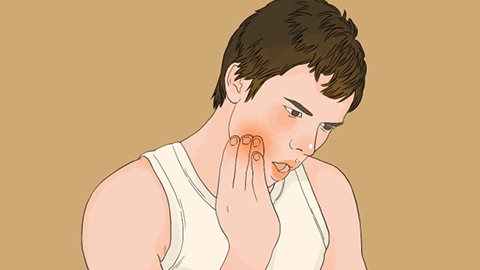
If you experience tongue numbness, pain, or astringency after eating pineapple, rinsing your mouth with mild salt water can help relieve these symptoms, as salt water aids in breaking down the enzymes in pineapple and thus reduces local discomfort. Drinking milk may also help alleviate symptoms, since the protein in milk helps protect the mucous membranes in the mouth.

If symptoms of internal heat appear, it's advisable to consume cooling foods such as mung beans or pear. Pay attention to your diet and avoid staying up late. Clinically, patients prone to internal heat are encouraged to eat more vitamin-rich vegetables—such as lettuce, spinach, Chinese cabbage, and rape. They should also avoid greasy, spicy, and irritating foods. Patients are advised to quit smoking and drinking alcohol. We hope this answer has been helpful. Wishing you good health and happiness.


