


Should pineapple be soaked in water?
Dec 08, 2025
Source: Cainiu Health

Dr. Sun Lianqing
Introduction
In general, whether pineapple needs to be soaked in water depends on the intended use and individual circumstances. If you experience discomfort or have special dietary needs, it is advisable to consult a nutritionist or doctor. When selecting pineapples, choose those with a strong fruity aroma and slightly soft flesh when gently pressed; avoid ones that are too unripe or spoiled. Soaking in lightly salted water is sufficient—avoid high salt concentrations to prevent affecting the flavor. Remove the tough core before consumption.
Generally, whether pineapple needs to be soaked in water depends on the intended use and individual circumstances. If discomfort or special dietary needs exist, it is advisable to consult a nutritionist or doctor. The detailed analysis is as follows:
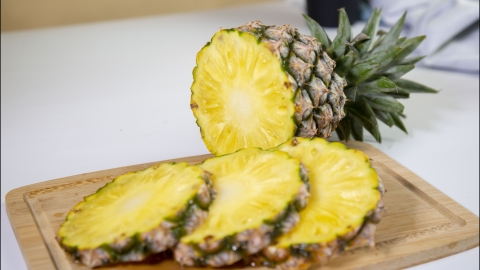
Individuals with sensitive oral mucosa who are prone to irritation or stinging sensations, or those concerned about bromelain irritating the gastrointestinal tract, should consider soaking pineapple before consumption. Pineapple contains bromelain and glycosides that can irritate mucous membranes and cause discomfort. Soaking in saltwater or warm water for 20 minutes helps inhibit enzyme activity and reduce irritation. Freshly harvested pineapples or those with lower ripeness contain higher levels of these substances; soaking makes the flavor milder and reduces the risk of digestive discomfort.
For individuals with high tolerance in the oral mucosa and when consuming fully ripe pineapples with sweet, soft flesh, direct consumption without soaking is acceptable. Fully ripe pineapples have lower levels of irritating compounds, and eating them raw preserves their natural sweetness and vitamin C content. If using pineapple in cooking—such as in sweet and sour pork (Guo Lao Rou) or pineapple fried rice—the high temperatures during cooking will break down most of the irritating substances. Pre-soaking may cause the fruit to absorb excess water and become overly soft, negatively affecting texture after cooking.
When selecting pineapples, choose those with a strong fruity aroma and slightly soft flesh when gently pressed; avoid those that are too unripe or spoiled. A mild saltwater solution is sufficient for soaking—avoid excessive concentration to prevent altering the taste. Remove the tough central core when eating to reduce coarse fiber intake. Limit portion sizes, especially on an empty stomach, to avoid overburdening the digestive system. If oral redness or swelling occurs after consumption, rinse the mouth with water to alleviate symptoms. Pair pineapple with light, bland foods to balance flavors and minimize irritation.





