


Can you eat a pineapple after cutting off the rotten part?
Dec 08, 2025
Source: Cainiu Health

Dr. Huang Yuhong
Introduction
If a pineapple has extensive rot or the decay has penetrated deep into the flesh, even removing the visibly rotten portions may not be sufficient, as mold spores might have already infiltrated the inner flesh—though this is not easily detectable by the naked eye. Such pineapples may produce harmful substances; consuming them can easily cause gastrointestinal discomfort, including symptoms like nausea and diarrhea, and in severe cases, may pose serious health risks.
Generally speaking, whether a pineapple can still be eaten after cutting off the rotten part depends on the extent of spoilage. If the decay is mild and localized, and the flesh appears normal, it may be safe to consume; however, if the pineapple is severely spoiled, it is not recommended for consumption. When in doubt, it's best to err on the side of caution. Here is a detailed explanation:
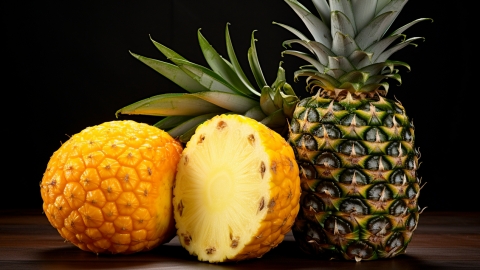
If the pineapple has only minor, localized rot—such as a small soft or discolored area—and the decay has not spread into the inner flesh, it is generally safe to eat the remaining portion after thoroughly removing the affected area. Provided the leftover flesh has normal color, firm texture, and no unusual odor, indicating no microbial contamination, it can be washed well and consumed.
However, if the rot covers a large area or has penetrated deeply into the flesh, even removing the visibly spoiled parts may not be sufficient. The interior may already be infiltrated by mold spores that are invisible to the naked eye. Such pineapples may contain harmful substances, and consuming them could lead to gastrointestinal discomfort, including symptoms like nausea and diarrhea. In severe cases, this may pose serious health risks.
When purchasing pineapples, choose fruits with intact skin and no signs of damage or decay. Before eating, always inspect the remaining flesh to ensure it shows no abnormalities, thus avoiding potential health risks from microbial contamination.





