Can heart disease cause numbness in the hands?
Sep 13, 2022
Source: Cainiu Health

Dr. Tian Hongbo
Introduction
Heart disease can cause numbness in both hands because it may lead to insufficient blood supply to the heart, making angina more likely. In such cases, the pain may radiate to the arms, causing hand numbness. Alternatively, due to coronary artery narrowing and reduced blood circulation in the arm arteries, hand muscle tissues may become ischemic and hypoxic, resulting in hand numbness. There are many causes of hand numbness, including diabetes, cervical spondylosis, and nerve compression.
Everyone knows that heart disease is very serious. As one of the most important organs in our body, the heart plays a vital role. Can heart disease cause numbness in the hands?
Can heart disease cause hand numbness?
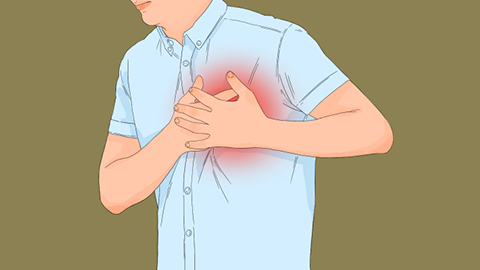
Heart disease can lead to numbness in both hands. This is because heart disease may cause insufficient blood supply to the heart, easily triggering angina pectoris. At such times, the pain may radiate to the arms, causing numbness in the hands. Alternatively, due to coronary artery narrowing and slowed blood circulation in the arm arteries, hand muscle tissues may become ischemic and hypoxic, leading to hand numbness. If you experience hand numbness, you can massage the affected area with your other hand to help relieve the sensation. It's essential to pay close attention to your physical condition. Additionally, under a doctor’s guidance, medications such as nitroglycerin for angina and sodium nitroprusside to dilate arterial lumens may be taken.

Generally, there is no obvious correlation between heart disease and hand numbness, but it's advisable to undergo relevant medical examinations to rule out potential issues. Hand numbness can stem from various causes, including diabetes, cervical spondylosis, or nerve compression. Therefore, it's recommended to visit a hospital for tests such as fasting blood glucose, cervical spine MRI, and wrist MRI. Once the underlying cause is identified, appropriate treatment can be administered. You may also consider getting an electrocardiogram (ECG) at the hospital to further rule out cardiac problems.
In daily life, be sure to avoid excessive physical activity and unhealthy lifestyle habits. Get adequate rest and avoid staying up late. Also, try to refrain from smoking and drinking alcohol. Maintain a light diet with low salt and low oil intake, and avoid spicy and irritating foods. We hope this article has been helpful to you. Wishing you good health and a happy life!