


How to diagnose hypertension
Sep 13, 2022
Source: Cainiu Health

Dr. Li Man
Introduction
Hypertension is diagnosed through reviewing medical history, physical examination, and other relevant ancillary tests. It should be noted that when diagnosing hypertension, it is recommended to measure blood pressure using a sphygmomanometer, which is the common method for confirming the condition. If hypertension is detected, it is advisable to promptly visit a hospital to seek professional guidance regarding antihypertensive medication. After one week of treatment.
In many adults, high blood pressure is also found to have a high incidence rate and is difficult to control effectively, so people often have to face this reality. When individuals discover they have hypertension, they may feel increasingly anxious, making it essential to pay special attention to relevant aspects of daily life. So how is hypertension diagnosed?
How Is Hypertension Diagnosed?
Hypertension is diagnosed based on medical history review, physical examination, and other related auxiliary tests. It's important to note that when diagnosing hypertension, it is recommended to measure blood pressure using a sphygmomanometer, which is the most common method for confirming the condition. If hypertension is detected, patients should promptly visit a hospital to seek professional guidance regarding antihypertensive medications. After one week of treatment, patients should maintain a low-salt, low-fat diet and consume more fruits and vegetables. Additionally, maintaining a positive mood and engaging in appropriate outdoor activities are encouraged.
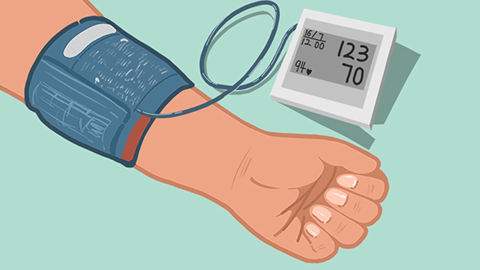
Hypertension is a type of chronic disease. Typically, for an accurate diagnosis, patients need to measure and record their blood pressure at different times on more than three occasions. Individuals should focus on preventing hypertension primarily by maintaining healthy lifestyle habits. This includes improving diet to achieve preventive goals, avoiding alcohol consumption, and ensuring adequate intake of calcium and potassium.

In daily life, eating habits should be regulated—avoid spicy and stimulating foods, overeating, and staying up late. We hope this information is helpful to you. Wishing you good health and happiness.






