


What should I do if I have severe vomiting due to high blood pressure?
Sep 13, 2022
Source: Cainiu Health

Dr. Tian Hongbo
Introduction
When a patient has high blood pressure accompanied by vomiting, be alert for severe hypertension leading to a hypertensive crisis or hypertensive encephalopathy, and seek immediate medical attention. Upon arrival at the hospital, a head CT or MRI scan should be performed to rule out cerebrovascular events caused by extremely high blood pressure, such as acute cerebral hemorrhage or stroke. In such cases, close treatment at a specialized department is necessary, and surgical intervention may be required when indicated.
In daily life, many patients with high blood pressure may experience severe vomiting. What should be done if a person with hypertension has severe vomiting?
What to do about severe vomiting caused by high blood pressure
When a patient has high blood pressure accompanied by vomiting, it is important to be alert for severe hypertension that could lead to a hypertensive crisis or hypertensive encephalopathy. Immediate medical attention is necessary. Upon arrival at the hospital, a head CT scan or MRI should be performed to rule out cerebrovascular events caused by extremely high blood pressure, such as acute cerebral hemorrhage or stroke. In such cases, close treatment in a specialized department is required, and surgical intervention may be needed when necessary. If no brain hemorrhage is found, antihypertensive treatment can continue, but continuous monitoring of heart rate, blood pressure, pulse, and blood oxygen saturation is essential. Antihypertensive medications can be used for ongoing management. Medications such as sodium nitroprusside or urapidil may be administered, but blood pressure must be closely monitored during treatment. The extent of blood pressure reduction should not be too great, and the rate of lowering should not be too rapid.
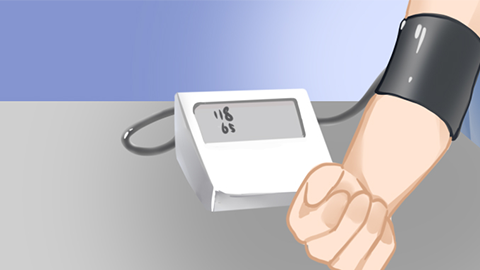
Daily care for hypertension: 1. Maintain a healthy lifestyle with regular meals. Eat more whole grains, vegetables, and fruits, and reduce intake of greasy, high-salt, and high-fat foods. 2. Maintain healthy habits—exercise regularly, rest on a consistent schedule, stay physically active, and ensure overall bodily health. 3. Cigarettes contain substances that can trigger hypertension; avoid smoking in daily life.

During treatment, maintain a low-salt, low-fat diet. I hope this response is helpful to you. Wishing you good health and happiness!





