


Is a blood pressure of 100/60 considered low blood pressure?
Sep 13, 2022
Source: Cainiu Health

Dr. Li Man
Introduction
Symptoms of hypotension are common, such as orthostatic hypotension. In some patients, the occurrence of hypotension is related to changes in body position, especially the upright position, known as orthostatic hypotension. Main symptoms include dizziness, blurred vision, fatigue, nausea, cognitive dysfunction, palpitations, and neck or back pain. It is commonly seen in elderly patients with isolated systolic hypertension accompanied by diabetes and hypovolemia.
Many people monitor their blood pressure on their own, but may not know how to determine whether it's normal. So, is a blood pressure reading of 100/60 considered low blood pressure?
Is Blood Pressure 100/60 Considered Low?
A blood pressure reading of 100 (systolic) and 60 (diastolic) is generally within the normal range, though it lies at the lower edge of normal. The normal blood pressure range is defined as systolic pressure between 90–139 mmHg and diastolic pressure between 60–89 mmHg. It is recommended that individuals investigate potential causes of lowered blood pressure, including chronic sleep deprivation, long-term alcohol consumption, smoking, work-related stress, and dietary habits. In daily life, it's important to quit smoking, limit alcohol intake, eat fresh vegetables and fruits, avoid staying up late, ensure sufficient sleep, avoid stress and overexcitement, and maintain a positive mood. Regular physical activity is also advised to improve overall health and strengthen the body.
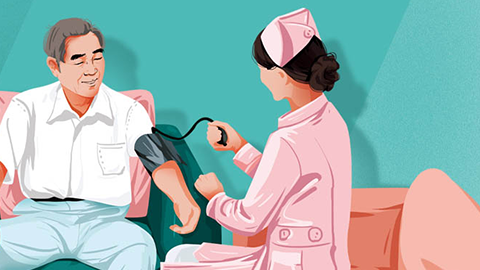
Low blood pressure can cause various symptoms. Orthostatic hypotension is relatively common—some patients experience low blood pressure related to changes in body position, especially upon standing, known as orthostatic hypotension. Main symptoms include dizziness, blurred vision, fatigue, nausea, cognitive impairment, palpitations, and neck or back pain. Elderly patients with isolated systolic hypertension, diabetes, or hypovolemia are particularly susceptible. The use of diuretics, vasodilators, or psychoactive medications may also trigger orthostatic hypotension.

The risks associated with low blood pressure can be significant. If not properly managed, it may lead to fainting, or even shock, potentially endangering the patient’s life. We hope this information has been helpful. Wishing you good health and a happy life!





