


Frequently eating soup-soaked rice can easily cause harm to the body.
Dec 29, 2022
Source: Cainiu Health

Dr. Zhao Haiming
Introduction
Eating rice soaked in soup is an unhealthy and unscientific eating habit that is detrimental to health. This is because frequently consuming rice soaked in soup or drinking water while eating causes food to be swallowed hastily, without sufficient chewing and salivary digestion, placing extra strain on the stomach. Additionally, water can dilute saliva and gastric digestive juices, impairing the gastrointestinal system's ability to properly digest food.
In daily life, rice is an essential part of our diet. Some people prefer steamed rice, while others enjoy fried rice—these preferences do not harm the body. However, frequently eating rice soaked in soup can be harmful to health.
What health risks are associated with regularly eating rice soaked in soup?
Eating rice soaked in soup is an unscientific habit that is detrimental to health. When you frequently eat rice this way or drink water while eating, food is often swallowed whole without proper chewing and oral digestion, placing extra strain on the stomach. Additionally, liquids can dilute saliva and gastric juices, impairing the digestive function of the gastrointestinal tract. Over time, this may lead to indigestion and increase the risk of stomach disorders. Moreover, inadequate digestion reduces the absorption of nutrients from food, negatively affecting overall health.
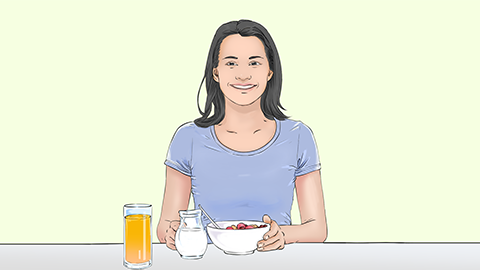
Regularly consuming rice soaked in soup may irritate the gastrointestinal mucosa and lead to abdominal bloating or excessive salt intake. Vegetable soups often contain high levels of salt and fat, which after consumption may cause symptoms such as bloating and indigestion. It's important in daily life to develop healthy eating habits—ideally avoiding soups with rice or overly salty foods, as they can disrupt normal metabolic processes in the body.
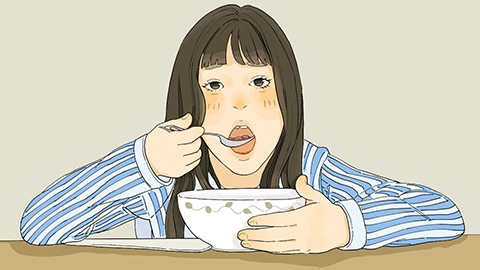
Many people enjoy taking a bite of rice followed by a sip of water, or directly soaking their rice in soup. In fact, neither method is particularly healthy. Eating this way often means food bypasses thorough chewing and enters the digestive system prematurely, significantly increasing the burden on the stomach. It also inhibits the secretion of saliva and gastric fluids. Over the long term, this can result in indigestion and may even increase the risk of developing stomach cancer. We hope this article has been helpful to you. Wishing you good health and a happy life.







