


Side effects of chrysanthemum tea
Dec 29, 2022
Source: Cainiu Health

Dr. Shen Yonghua
Introduction
In general, excessive consumption of chrysanthemum tea may lead to side effects such as allergic reactions, disrupted sleep, calcium loss, gastrointestinal damage, and food poisoning. When drinking chrysanthemum tea, ensure the tea is fresh and unspoiled; leftover tea from the previous day may have deteriorated and should not be consumed. Additionally, it should be consumed in moderation according to individual constitution and health condition to avoid overconsumption.
Generally, excessive consumption of chrysanthemum tea may lead to side effects such as allergic reactions, sleep disturbances, calcium loss, gastrointestinal damage, and food poisoning. The specific analysis is as follows:
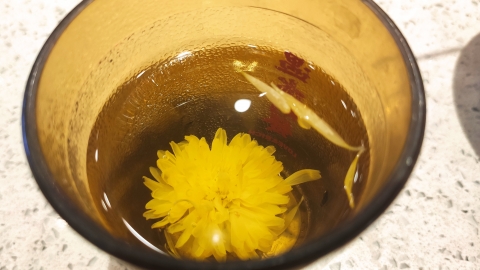
1. Allergic Reactions
Individuals who are allergic to chrysanthemums or have an allergic constitution may experience allergic reactions such as rashes and itchy skin after drinking chrysanthemum tea. In severe cases, symptoms like difficulty breathing or shock may occur.
2. Sleep Disturbances
Chrysanthemum contains substances such as caffeine, tea polyphenols, and theophylline, which can stimulate the brain. Long-term excessive consumption of chrysanthemum tea may cause continuous excitation of the central nervous system, thereby affecting sleep and leading to symptoms such as insomnia and vivid dreams.
3. Calcium Loss
Acidic substances in chrysanthemum tea, such as tannic acid, may react with calcium in the body and interfere with calcium absorption. Prolonged consumption may result in calcium loss, negatively impacting bone health.
4. Gastrointestinal Damage
Chrysanthemum tea is considered a cooling beverage. Long-term excessive consumption may damage the gastrointestinal mucosa, leading to spleen and stomach coldness, and causing discomfort such as abdominal pain, diarrhea, and indigestion.
5. Food Poisoning
Drinking spoiled chrysanthemum tea contaminated by bacteria, toxins, or other harmful substances may cause adverse reactions such as nausea, vomiting, abdominal pain, and diarrhea.
When consuming chrysanthemum tea, ensure that the tea leaves are fresh and not spoiled. Leftover tea from the previous day may deteriorate and should not be consumed. Additionally, intake should be moderate according to individual constitution and health status to avoid overconsumption.






