


A red blister has appeared on the head. What could be the cause, and what should I do?
Mar 25, 2023
Source: Cainiu Health

Dr. Liu Wenmin
Introduction
Prolonged friction with hard materials, such as the edge of a hat or a firm pillow, can damage the scalp skin and lead to blister formation. Patients should rest adequately, reduce physical activity, and avoid further friction on the affected area. Small blisters may be absorbed without treatment, while larger blisters should be evaluated at a hospital, where a sterile needle can be used by a qualified physician to drain the fluid.
Generally speaking, a "water blister" refers to a vesicle. A red vesicle appearing on the head may result from local friction, trauma, allergic dermatitis, seborrheic dermatitis, folliculitis, or other causes. Management may include adequate rest, maintaining cleanliness, and medication use. The details are as follows:
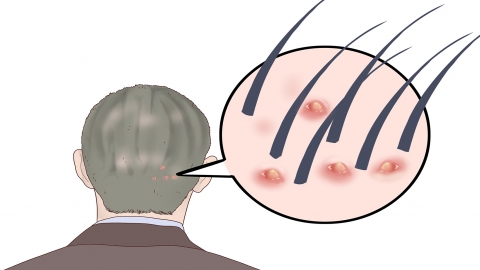
1. Local Friction
Prolonged friction against hard materials—such as stiff hat edges or hard pillow surfaces—can damage the scalp skin and lead to vesicle formation. Patients should get sufficient rest, reduce physical activity, and avoid further friction on the affected area. Small blisters may be absorbed spontaneously without treatment, while larger ones should be evaluated at a hospital, where a sterile needle can be used by a healthcare professional to drain the fluid.
2. Trauma
Head injuries such as impacts or scratches can cause skin breaks, leading to blood blisters or fluid-filled blisters. It is recommended that patients seek prompt medical attention for proper wound cleaning and disinfection to prevent infection. Additionally, maintaining wound hygiene and avoiding re-injury are essential.
3. Allergic Dermatitis
Exposure to allergens like shampoo, hair dye, or pollen may trigger an allergic reaction in the scalp skin. Patients should avoid re-exposure to known allergens. If necessary, medications such as loratadine tablets, ebastine tablets, or mometasone furoate cream may be used under medical guidance to relieve allergic symptoms.
4. Seborrheic Dermatitis
This condition occurs due to overactive sebaceous glands in the scalp, resulting in excessive sebum production and accumulation, which leads to chronic skin inflammation. Symptoms often include vesicles, itching, and flaking. Maintaining scalp cleanliness and using mild shampoos are important. Treatment should follow medical advice and may include vitamin B2 tablets, compound ketoconazole cream, or tacrolimus ointment.
5. Folliculitis
Bacterial infection causes inflammation of hair follicles, clogging pores and forming red papules or vesicles, which may be accompanied by pain or itching. It is important to keep the scalp clean and avoid scratching. Under a doctor’s guidance, topical treatments such as mupirocin ointment, fusidic acid cream, or compound polymyxin B ointment may be used to promote recovery.
During treatment, a light diet is recommended; patients should avoid barbecued food, hot pot, and other irritating foods.


