


What causes diarrhea after eating buckwheat noodles, and what should be done?
Jun 05, 2023
Source: Cainiu Health

Dr. Shen Yonghua
Introduction
Diarrhea, commonly referred to as loose stools, may occur after eating buckwheat noodles due to various reasons such as overconsumption, improper cooking methods, indigestion, food allergy, or functional gastrointestinal disorders. It is recommended to seek medical attention promptly and receive treatment under a doctor's guidance. During recovery, maintain a light diet; consuming moderate amounts of millet porridge, vegetable congee, and similar foods is advisable and beneficial for gastrointestinal health.
Diarrhea, commonly referred to as "loose stools," may occur after eating buckwheat noodles due to various reasons such as excessive consumption, improper cooking methods, indigestion, food allergy, or functional gastrointestinal disorders. It is recommended to seek medical attention promptly and receive treatment under the guidance of a healthcare professional. Detailed explanations are as follows:
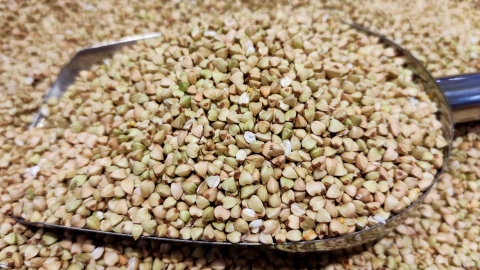
1. Excessive Consumption: Buckwheat noodles contain a high amount of dietary fiber. Consuming too much may irritate the gastrointestinal tract and accelerate intestinal motility, leading to diarrhea. It is important to control portion sizes and avoid overeating. If diarrhea occurs, reduce intake of dietary fiber appropriately and increase fluid intake to prevent dehydration.
2. Improper Cooking Methods: If buckwheat noodles are prepared with excessive chili oil, spices, or other strong seasonings, they may irritate the stomach and intestines, triggering diarrhea. Adjust cooking methods by minimizing spicy, greasy, or irritating ingredients. Opt for mild and easily digestible preparation techniques such as steaming or boiling.
3. Indigestion: Buckwheat noodles are considered coarse grain. Overconsumption may lead to indigestion, impair gastrointestinal function, and result in symptoms like diarrhea and abdominal pain. Follow medical advice to take digestive aids such as Jianwei Xiaoshi Tablets, Domperidone Tablets, or Compound Lactase Capsules.
4. Food Allergy: Some individuals may be allergic to components in buckwheat noodles. Ingestion can trigger an allergic reaction, causing symptoms such as diarrhea and abdominal pain. Immediately discontinue consumption of buckwheat noodles and avoid further exposure to the allergen. Under medical supervision, use antihistamines such as Cetirizine Hydrochloride Tablets, Loratadine Tablets, or Promethazine Hydrochloride Tablets to relieve symptoms.
5. Functional Gastrointestinal Disorders: These conditions may be related to abnormal gut motility or changes in intestinal microbiota. Eating buckwheat noodles might stimulate the intestines and trigger symptoms such as diarrhea, nausea, and vomiting. It is advisable to use medications under medical guidance that regulate intestinal flora and gastrointestinal motility, such as Pinaverium Bromide Tablets, Bifidobacterium Live Capsules, or Bifidobacterium Live Powder.
During recovery, maintain a light diet. It is recommended to consume moderate amounts of easily digestible foods such as millet porridge or vegetable congee, which support gastrointestinal health.




