


Can tuberculosis be completely cured after being infected?
Nov 25, 2024
Source: Cainiu Health

Dr. Ren Yi
Introduction
Most patients can achieve clinical cure if tuberculosis is detected early and the patient adheres to the full course of anti-tuberculosis treatment as directed by a physician. Clinical cure means disappearance or stabilization of lesions, consecutive negative sputum smear tests, and no evidence of active disease on imaging studies. If TB is detected at a late stage or treatment is not properly administered, it may be difficult to achieve cure.
Generally, if tuberculosis is detected early and treated properly, most patients can achieve clinical recovery; however, if diagnosed at an advanced stage or treated improperly, it may become difficult to cure. If any abnormalities occur, timely medical consultation is recommended. Detailed explanation is as follows:
Tuberculosis is a chronic infectious disease caused by Mycobacterium tuberculosis, primarily transmitted through the respiratory tract. If tuberculosis is detected early and patients adhere to the full course of anti-tuberculosis drug treatment as directed by a physician, most patients can achieve clinical recovery. Clinical recovery means that lesions have disappeared or stabilized, consecutive sputum smear tests are negative, and imaging examinations show no signs of active disease.
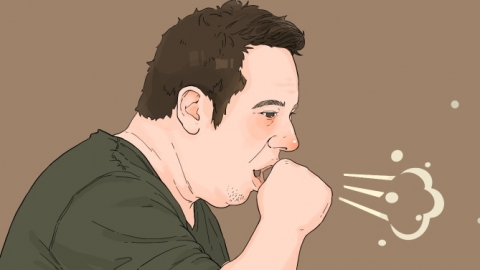
If tuberculosis is detected late or if there are instances of improper medication use or premature discontinuation of treatment, the difficulty of complete recovery increases. These factors may lead to drug resistance and recurrence of the disease. If tuberculosis patients also suffer from immunocompromising conditions such as diabetes or HIV/AIDS, the treatment becomes even more challenging. Some patients may struggle to achieve a full recovery due to poor general health or the presence of other complications.
Patients should maintain good living habits and follow a healthy, scientifically balanced diet in daily life, actively improving their physical condition to enhance treatment effectiveness when managing the disease.


