


How to deal with itchy bumps caused by an allergic reaction on the legs?
Dec 25, 2024
Source: Cainiu Health

Dr. Liu Wenmin
Introduction
In general, leg allergies causing bumps and itching can be treated by getting adequate rest, applying cold compresses, reducing salt intake, using topical medications, and taking oral medications. If any discomfort occurs, prompt medical attention is recommended. It is also advisable to wear loose, soft, and breathable pants to minimize friction and irritation on the skin of the thighs, while maintaining cleanliness and dryness of the skin.
Generally, leg allergies causing lumps and itching can be treated by getting adequate rest, applying cold compresses, reducing salt intake, using topical medications, and taking oral medications. If any discomfort occurs, prompt medical attention is recommended. The details are as follows:
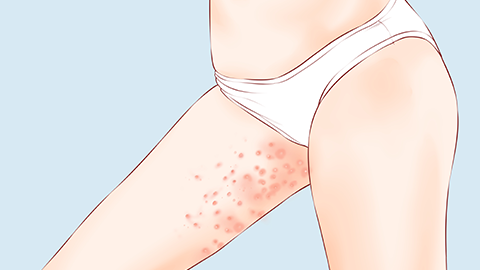
1. Rest
Leg allergies causing lumps and itching may be due to inflammatory reactions. Adequate rest can reduce the release of inflammatory mediators and further tissue damage. Ensure the affected leg gets sufficient rest. Avoid strenuous exercise, which may accelerate blood circulation and worsen itching symptoms.
2. Cold Compress
A cold compress can lower the temperature of the affected tissue, slow blood circulation, decrease the release of inflammatory mediators, and reduce local congestion and swelling, thereby alleviating the inflammatory response of the lumps. It is recommended to apply an ice pack or cold towel to the affected area for 15 to 20 minutes per session, multiple times daily.
3. Reduce Salt Intake
A high-salt diet may lead to fluid retention in the body, exacerbating the inflammatory response. It is advised to reduce salt consumption and increase intake of fresh vegetables and fruits to help eliminate excess sodium ions. Drinking more water aids in the excretion of metabolic waste.
4. Topical Medications
Topical medications can directly target the affected area on the leg to alleviate inflammation. Under a doctor's guidance, medications such as Yunnan Baiyao Spray, Musk Pain-relieving Plaster, or Voltaren Ointment may be used. If allergic reactions such as redness, swelling, or itching occur, discontinue use immediately and consult a doctor for anti-allergy treatment.
5. Oral Medications
When experiencing leg allergies causing lumps and itching, oral medications can help control inflammation at its source. Under a doctor's guidance, antihistamines such as Loratadine Chewable Tablets, Ebastine Oral Solution, or Levocetirizine Hydrochloride Tablets may be used. If any discomfort occurs during medication, prompt medical attention is advised.
In daily life, it is recommended to wear loose, soft, and breathable pants to minimize friction and irritation on the thigh skin. Maintain clean and dry skin, and avoid consuming foods that may trigger allergies.



