


How to Treat Knee Pain Most Effectively
Dec 25, 2024
Source: Cainiu Health

Dr. Chen Jian
Introduction
The meniscus is a cartilage structure in the knee joint that serves as a cushion, and it may be damaged due to long-term weight-bearing or trauma. An injured meniscus can irritate surrounding tissues, leading to symptoms such as knee pain, swelling, stiffness, and limited movement. Under a doctor's guidance, medications such as Compound Chondroitin Sulfate Tablets, Amoxicillin Capsules, and Sanqi Tablets may be used for antibacterial and pain-relieving treatment.
Generally speaking, there is no single "best and most effective treatment for knee pain." Knee pain may be caused by excessive exercise, improper warmth preservation, meniscus injury, knee joint synovitis, osteoarthritis, and other factors. Improvement can be achieved through general treatments, medication, and other measures. Prompt medical attention is recommended, and treatment should follow medical advice. Details are as follows:
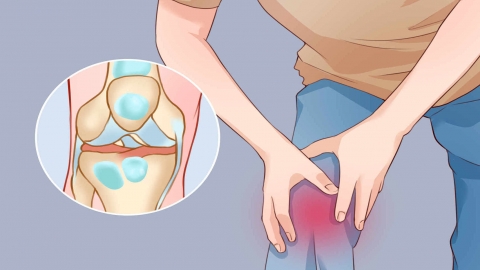
1. Excessive exercise: Overexertion or improper exercise methods may cause strain or tearing of soft tissues such as muscles and ligaments around the knee, leading to joint pain. Adequate rest should be taken to avoid excessive exercise. If pain persists or worsens, timely medical evaluation is necessary.
2. Improper warmth preservation: Being in a damp or cold environment or insufficient warmth preservation may cause knee joint exposure to cold, resulting in local muscle spasms and poor blood circulation, thus causing pain. Enhanced joint warmth protection, such as using padded knee pads, is recommended. Changing the living environment and avoiding prolonged exposure to damp and cold conditions is also advised.
3. Meniscus injury: The meniscus is cartilage in the knee joint that serves as a cushion. Injury may occur due to long-term weight-bearing or trauma. An injured meniscus may irritate surrounding tissues, causing knee joint pain, swelling, tenderness, restricted movement, and other symptoms. Under medical guidance, medications such as Compound Chondroitin Sulfate Tablets, Amoxicillin Capsules, and Sanqi Tablets may be used for sterilization and pain relief.
4. Knee joint synovitis: Knee joint synovitis is an inflammation of the knee joint caused by external stimuli or cold exposure, which leads to swelling, pain, and other discomforts. The inflammation may stimulate the joint synovium, causing excessive secretion of synovial fluid, resulting in joint swelling and pain. Anti-inflammatory and pain relief medications such as Celecoxib Capsules, Diclofenac Sodium Sustained-release Tablets, and Ibuprofen Sustained-release Capsules may be used following medical instructions.
5. Osteoarthritis: Knee osteoarthritis may result from aging, chronic injury, or other factors that cause damage to knee tissues, local edema, and compression of sensory nerves, thus causing joint pain. Pain typically occurs in the morning and may worsen with activity. Medications such as Nimesulide Capsules, Aminomethylbenzoic Acid Enteric-coated Tablets, and Gukang Capsules may be used under medical guidance for pain relief.
During treatment, corresponding measures should be taken according to the specific cause, and attention should be paid to rest, warmth preservation, and appropriate exercise for prevention.



