


Why does my throat always make humming sounds, and what should I do?
Dec 31, 2024
Source: Cainiu Health

Dr. Lu Cheng
Introduction
In general, constant humming sounds from the throat may be caused by factors such as tension in the throat muscles, dryness of the throat, chronic pharyngitis, allergic pharyngitis, or throat neurasthenia. If discomfort occurs, it is recommended to seek medical attention at a hospital promptly and follow standardized treatment under a doctor's guidance. In daily life, maintaining a healthy lifestyle and avoiding不良 habits such as smoking and drinking alcohol is advised.
Generally speaking, the throat refers to the pharynx. Constant humming sounds from the throat and pharynx may be caused by factors such as laryngeal muscle tension, pharyngeal dryness, chronic pharyngitis, allergic pharyngitis, or laryngeal neurasthenia. Treatment options, under a doctor's guidance, may include general therapies and medication. If discomfort occurs, it is recommended to seek medical attention promptly and follow standardized treatment under a doctor's guidance. The specific analysis is as follows:
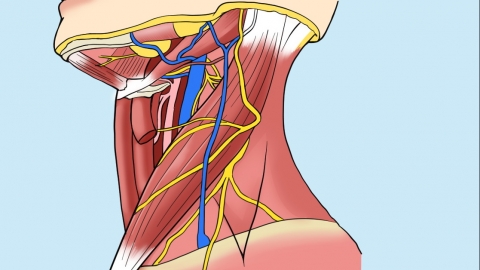
1. Laryngeal Muscle Tension
In daily life, stress, anxiety, or habitual actions may cause involuntary tension in the throat muscles, leading to involuntary contractions of the vocal cords or other laryngeal muscles, resulting in humming sounds. It is recommended to learn relaxation techniques such as deep breathing, yoga, or meditation to relieve tension in the throat muscles.
2. Pharyngeal Dryness
When the pharyngeal mucosa becomes dry, individuals may unconsciously attempt to moisten the throat by clearing the throat or producing humming sounds to relieve discomfort. It is recommended to maintain humid indoor air, for example, by using a humidifier; drink plenty of water to keep the throat moist.
3. Chronic Pharyngitis
Chronic pharyngitis is usually caused by recurrent acute pharyngitis, upper respiratory tract infections, long-term smoking, or alcohol consumption. Inflammation leads to congestion, swelling, and increased secretions in the laryngeal mucosa, stimulating the throat nerves and causing patients to unconsciously produce humming sounds to alleviate discomfort. Symptoms may include sore throat, foreign body sensation, and dryness. Under a doctor's guidance, treatment options may include compound borax solution, Benincasa hispida cream (Xigua Shuang) tablets, or cetylpyridinium chloride lozenges.
4. Allergic Pharyngitis
Allergic pharyngitis is generally triggered by allergens such as dust mites, pollen, or animal dander. These allergens irritate the laryngeal mucosa, causing an inflammatory response that leads to throat discomfort, with patients possibly producing humming sounds to reduce the discomfort. Symptoms may include sneezing, runny nose, and itchy eyes. Under a doctor's guidance, medications such as cetirizine hydrochloride tablets, budesonide nasal spray, or montelukast sodium tablets may be used for treatment.
5. Laryngeal Neurasthenia
Laryngeal neurasthenia may be closely related to psychological factors such as anxiety or depression. Psychological factors can cause involuntary contractions of the throat muscles, resulting in humming sounds, typically without organic lesions. Symptoms may include anxiety, depression, and insomnia. Under a doctor's guidance, medications such as fluoxetine hydrochloride capsules, buspirone hydrochloride tablets, or sertraline hydrochloride tablets may be used for treatment.
In daily life, maintaining a healthy lifestyle and avoiding bad habits such as smoking and drinking alcohol can help reduce the occurrence of throat inflammation.





