


What causes ulcers in the throat?
Dec 31, 2024
Source: Cainiu Health

Dr. Lu Cheng
Introduction
In general, the development of ulcers in the throat may be related to dietary factors, environmental factors, tonsillitis, pharyngitis, and reflux esophagitis. If discomfort occurs, it is recommended to seek medical attention promptly and undergo symptomatic treatment under the guidance of a physician. In daily life, one should consume more fresh vegetables and fruits, nutrient-rich light foods, and maintain adequate water intake, which helps maintain throat health.
Generally speaking, the throat refers to the pharynx. Pharyngeal ulcers may be related to dietary factors, environmental factors, tonsillitis, pharyngitis, gastroesophageal reflux disease, and other causes. If discomfort occurs, timely medical consultation is recommended for symptomatic treatment under a physician's guidance. Detailed explanations are as follows:
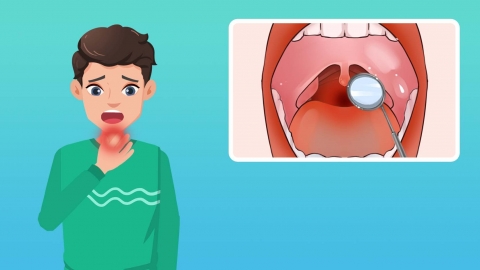
1. Dietary Factors
Excessive consumption of spicy, greasy, or irritating foods, or insufficient water intake, can cause dryness and easy rupture of the pharyngeal mucosa, thus creating conditions for ulcer formation. It is recommended to increase intake of vegetables and fruits rich in vitamins and dietary fiber, which helps maintain the health of the pharyngeal mucosa.
2. Environmental Factors
Remaining in a dry air environment for a prolonged period can dehydrate the pharyngeal mucosa, causing damage to mucosal cells due to water deficiency, which may lead to ulcers. Additionally, pollutants and dust in the air may irritate the pharyngeal mucosa, increasing the likelihood of ulcer development. It is recommended to use a humidifier in dry indoor environments and avoid long-term exposure to heavily polluted air.
3. Tonsillitis
Pathogens such as bacteria and viruses may invade the tonsillar crypts, leading to tonsillitis. The inflammation may spread to surrounding pharyngeal mucosa, causing ulceration. It is often accompanied by symptoms such as tonsillar swelling and pain. Medications such as Roxithromycin Capsules, Golden Lotus Granules, and Pudilan Xiaoyan Tablets may be used under a physician's guidance.
4. Pharyngitis
When the pharynx is affected by bacterial or viral infections or stimulated by physical and chemical factors, pharyngitis may develop. Persistent inflammation may damage the pharyngeal mucosa, leading to ulcer formation. Symptoms such as dry throat, itchy throat, and cough may accompany this condition. Amoxicillin Capsules, Azithromycin Dispersible Tablets, Guilin Watermelon Frost Lozenges, and other medications may be used according to medical advice.
5. Gastroesophageal Reflux Disease (GERD)
Conditions such as dysfunction of the lower esophageal sphincter or excessive gastric acid secretion may lead to gastroesophageal reflux disease. When gastric acid or other digestive fluids reflux into the esophagus, local mucosal damage may occur. If the refluxate reaches the throat, it may damage the pharyngeal mucosa, leading to ulcer formation. Common symptoms include retrosternal burning sensation and acid regurgitation. It is recommended to take medications such as Domperidone Tablets, Sucralfate Chewable Tablets, and Omeprazole Enteric-coated Capsules under a physician's instructions.
In daily life, it is advisable to eat more fresh vegetables and fruits, nutritious light foods, and maintain adequate water intake, which helps protect pharyngeal health.





