


How effective is laser treatment for HPV?
Jan 09, 2025
Source: Cainiu Health

Dr. Chen Lu
Introduction
In general, laser therapy can be used to treat HPV-infected tissues that have already developed lesions, but it cannot guarantee complete elimination of the virus or prevention of recurrence. Laser treatment for HPV infection primarily works by applying high-energy light directly onto the affected tissue, utilizing its thermal and photochemical effects to destroy the viral structure and remove lesion tissues such as warts caused by HPV infection.
Laser treatment is a minimally invasive procedure that primarily involves heating local tissues to achieve better therapeutic effects. The general reference price for laser treatment is 2,000 to 5,000 yuan per session, and visible improvement is usually observed within 7 to 15 days. Laser therapy can be used to treat existing HPV infection-related lesions, but it cannot guarantee complete virus elimination or prevent recurrence. If you have any concerns, it is recommended to consult a qualified hospital. Detailed analysis is as follows:
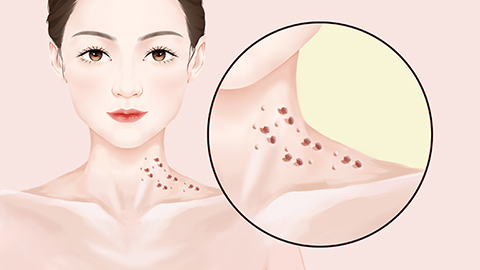
HPV stands for human papillomavirus, which can cause squamous epithelial proliferation in skin and mucous membranes after infection, such as genital warts. Laser treatment for HPV infection primarily works by applying high-energy light directly onto the affected tissue, using its thermal and photochemical effects to destroy the viral structure and remove warts or other lesions caused by HPV infection, effectively eliminating visible warts quickly and directly.
However, laser therapy only targets existing lesions. It may not completely eliminate potential, invisible HPV infections. Additionally, HPV virus has a latent period, so residual virus might remain after treatment, carrying a certain risk of recurrence. Moreover, laser treatment may cause adverse reactions such as local pain, bleeding, and slower wound healing.
Therefore, while undergoing laser treatment, patients should also focus on enhancing their own immunity, such as maintaining a healthy lifestyle, balanced diet, moderate exercise, and regular sleep patterns. At the same time, it is important to follow medical advice for regular follow-up examinations to promptly detect any possible recurrence or persistent infection.






